



Blog

Medication and Sexual Health
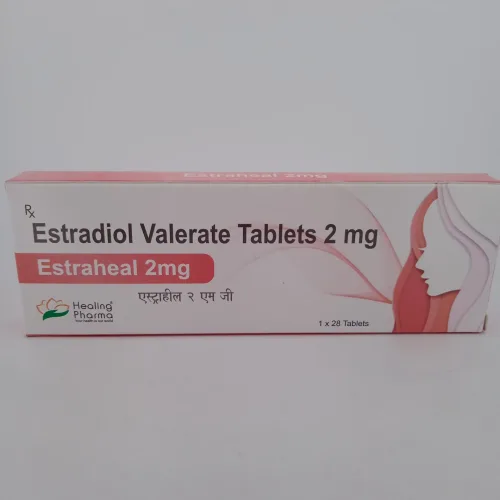
Medicines can improve health, manage symptoms, and support quality of life, but some may also affect sexual wellbeing. Changes in sexual desire, arousal, erections, lubrication, ejaculation, or orgasm can sometimes occur after starting or changing medication. Understanding Medication Side Effects Some medicines can affect sexual health as an unwanted side effect. Changes may involve sexual

Relationship Stress and Desire
Sexual desire naturally changes throughout life and relationships. Stress between partners can sometimes reduce interest in intimacy, but the connection is rarely caused by one factor alone. Emotional well-being, physical health, medication, hormones, sleep, lifestyle, and relationship circumstances can all influence sexual desire. Understanding How Stress Affects Desire Relationship stress can reduce sexual desire by
Minoxidil for Hair Loss
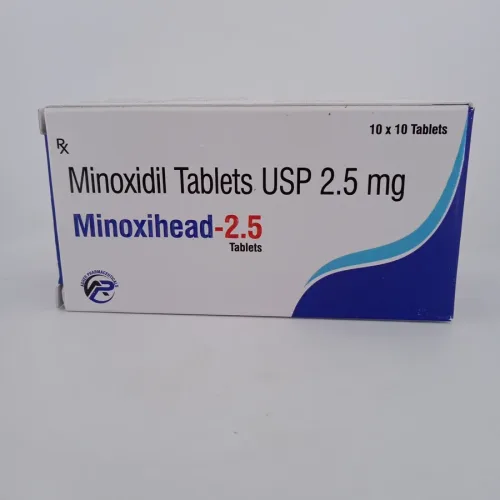
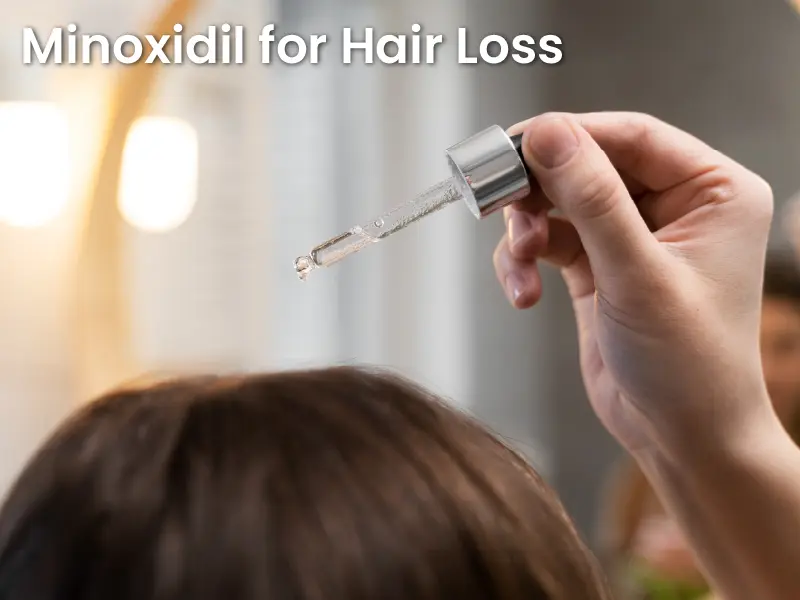
Hair loss can develop for many reasons, including genetics, hormonal changes, ageing, illness, stress, nutritional deficiencies, and certain medications. Minoxidil is a well-established treatment used for some forms of hair loss, particularly pattern hair loss. Understanding how it works, what results to expect, and how to use it safely can help you make an informed

Genetic Hair Loss Explained
Hair loss can happen for many reasons, but genetics is one of the most common influences behind gradual thinning in adults. Genetic hair loss, commonly associated with androgenetic alopecia, can affect both men and women. Understanding why it happens and recognising typical patterns can make it easier to seek appropriate advice and consider suitable treatment

Protecting Skin from Pollution
Air pollution is part of everyday life, particularly in busy urban environments. Pollutants such as particulate matter, smoke, and other airborne substances can settle on exposed skin and may contribute to oxidative stress, irritation, and changes in the skin barrier. A consistent skincare routine can help remove impurities and support healthier-looking skin. Cleansing Skin Every

Niacinamide Skincare Benefits
Niacinamide, a form of vitamin B3, has become a popular ingredient in modern skincare. It is found in serums, moisturisers, cleansers, and other products designed for different skin types. Research suggests that topical niacinamide may support the skin barrier, improve hydration, and help with several common skin concerns when used appropriately. Supporting the Skin Barrier

Training for a Stronger Core
A strong core supports much more than abdominal appearance. Your core includes muscles around the abdomen, back, pelvis, and hips that work together to stabilise the body during everyday movement and exercise. Training these muscles effectively can improve control, support athletic performance, and make many strength exercises easier to perform with good technique. Learning Proper

Cutting Without Losing Muscle
Cutting is a common fitness approach that focuses on reducing body fat while preserving as much muscle as possible. Although some loss of lean tissue can occur during weight reduction, sensible nutrition, resistance training, sufficient protein, and proper recovery can help minimise the risk. A gradual approach is generally more sustainable than aggressive restriction. Maintaining

Fibre and Weight Management
Fibre is an important part of a balanced diet and can play a useful role in healthy weight management. Found mainly in plant foods, dietary fibre supports normal digestion and may help you feel fuller after eating. Understanding how fibre works and where to find it can make planning nutritious, satisfying meals easier. Increasing Feelings

Mindful Eating for Weight Control
Mindful eating is an approach that encourages you to pay closer attention to how, why, and what you eat. Rather than following strict food rules, it focuses on recognising hunger and fullness, reducing distractions, and becoming more aware of eating habits. These skills may support a healthier relationship with food and sustainable weight management. Listening
Subtotal: USD $16.00