

Relationship Stress and Desire
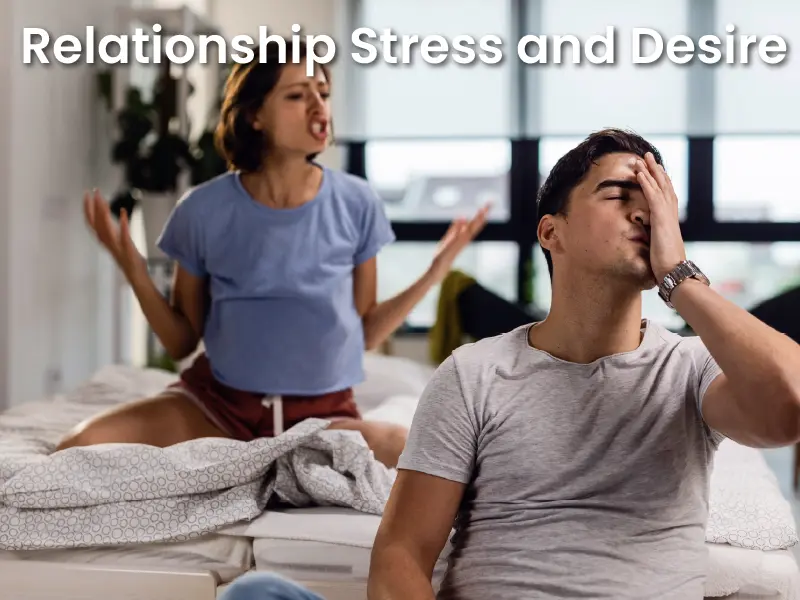
Sexual desire naturally changes throughout life and relationships. Stress between partners can sometimes reduce interest in intimacy, but the connection is rarely caused by one factor alone. Emotional well-being, physical health, medication, hormones, sleep, lifestyle, and relationship circumstances can all influence sexual desire.
Understanding How Stress Affects Desire
Relationship stress can reduce sexual desire by increasing emotional tension, worry, and mental fatigue. When the mind is focused on unresolved problems, intimacy may feel less appealing. Recognising the connection between emotional wellbeing and sexual interest can help couples address underlying concerns rather than focusing only on physical symptoms.
Improving Communication Between Partners
Open communication can help partners understand changes in sexual desire without creating unnecessary pressure. Discussing feelings, expectations, and concerns calmly may reduce misunderstandings. Choosing a comfortable time to talk, rather than discussing sensitive issues during intimacy, can encourage more thoughtful conversations and strengthen emotional connection within the relationship.
Managing Everyday Stress Together
Work pressures, financial concerns, family responsibilities, and busy schedules can affect both relationships and sexual well-being. Sharing responsibilities and discussing stressful situations may reduce emotional strain. Creating time for relaxation together can also support closeness, helping partners reconnect without making sexual activity the only measure of intimacy.
Avoiding Pressure Around Intimacy
Feeling pressured to have sex can increase anxiety and further reduce desire. Partners should respect each other’s boundaries and communicate openly about comfort and interest. Creating an environment where affection is not automatically expected to lead to sex can support trust, relaxation, and a healthier approach to physical intimacy.
Building Emotional Connection
Sexual desire is often connected with emotional closeness, although this differs between individuals. Spending meaningful time together, showing affection, listening carefully, and expressing appreciation may strengthen connection. Improving emotional intimacy can create a supportive foundation where physical desire has greater opportunity to develop naturally without unnecessary expectations or pressure.
Recognising Differences in Sexual Desire
Partners may naturally experience different levels of sexual desire, and these differences can change over time. Stress may make the difference more noticeable. Rather than treating one person’s desire as correct, couples can discuss individual needs respectfully and explore ways to maintain closeness that feel comfortable for both partners.
Making Time for the Relationship
Busy routines can leave little energy for emotional or physical connection. Setting aside regular time for conversation, shared activities, and affection may help couples reconnect. Quality time does not need to involve sex. Reducing distractions and focusing on each other can support intimacy and strengthen overall relationship satisfaction.
Considering Physical and Emotional Health
Changes in sexual desire are not always caused by relationship stress alone. Hormonal changes, medications, depression, anxiety, fatigue, pain, and other health concerns may contribute. Considering both emotional and physical factors can provide a clearer understanding of persistent changes and help determine whether professional support may be useful.
Seeking Relationship Support When Needed
Persistent conflict can make communication and intimacy increasingly difficult. A qualified relationship counsellor or therapist may help couples discuss concerns in a structured and respectful environment. Professional support can provide practical communication strategies and help identify patterns that may be contributing to ongoing stress, distance, or changes in sexual desire.
Talking to a Healthcare Professional
Persistent or unexplained changes in sexual desire may benefit from medical assessment, particularly when accompanied by other physical or emotional symptoms. A healthcare professional can review possible contributing factors, including medication and underlying conditions. Always consult a medical professional before following health advice or starting a new health plan.
Conclusion
Relationship stress and desire can influence each other, but changes in sexual interest often involve a combination of emotional, physical, lifestyle, and relationship factors. Open communication, respect for boundaries, emotional connection, sufficient rest, and attention to general health can provide a healthier foundation for intimacy.
Rather than placing pressure on yourself or your partner, focus on understanding what may be contributing to the change. Persistent or concerning sexual health problems should be discussed with an appropriately qualified professional.
Consult a medical professional before following any health advice or starting a new health plan.