




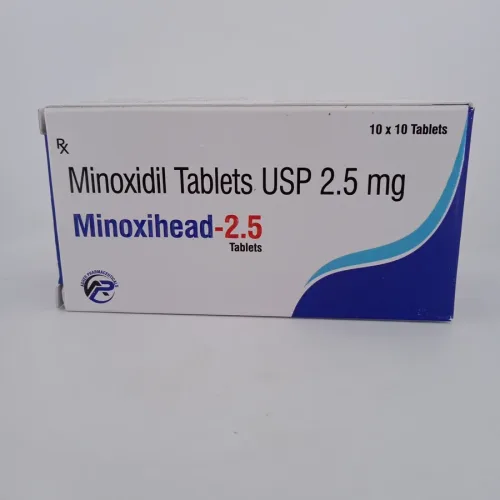
Minoxidil for Hair Loss
Hair loss can develop for many reasons, including genetics, hormonal changes, ageing, illness, stress, nutritional deficiencies, and certain medications. Minoxidil is a well-established treatment used for some forms of hair loss, particularly pattern hair loss. Understanding how it works, what results to expect, and how to use it safely can help you make an informed decision.
Understanding How Minoxidil Works
Minoxidil is a topical treatment commonly used for certain types of hair loss, particularly pattern hair loss. It can help stimulate hair follicles and prolong the growth phase of the hair cycle. Results vary between individuals, and regular application is generally required to maintain any improvement achieved.
Choosing the Appropriate Formulation
Topical minoxidil is available in different strengths and formulations, including solutions and foams. The most appropriate option can depend on the type of hair loss, individual circumstances, and product instructions. A pharmacist, doctor, or dermatologist can provide guidance when you are uncertain which formulation is suitable for you.
Applying Minoxidil Correctly
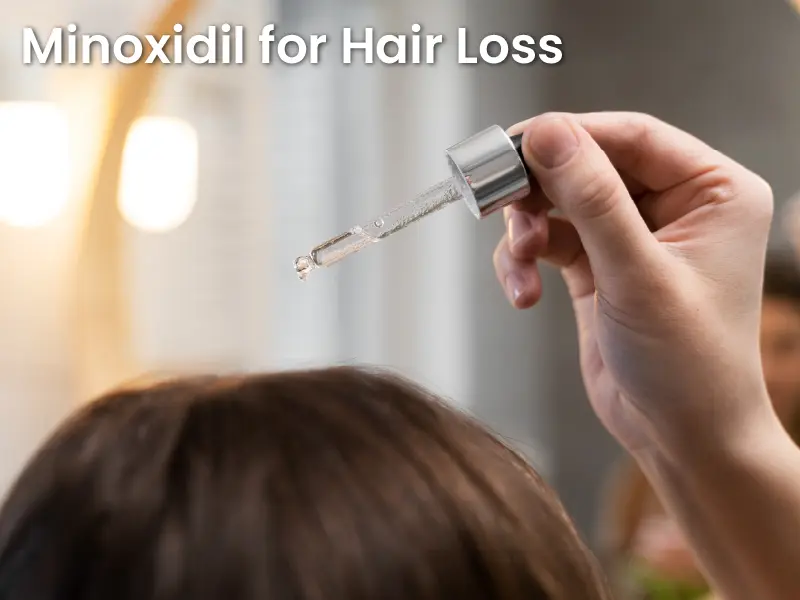
Minoxidil should be applied directly to the scalp according to the product instructions or professional medical advice. Using more than recommended does not necessarily improve results and may increase unwanted effects. Washing your hands afterwards and allowing the product to dry properly can help ensure safe and practical everyday use.
Waiting Patiently for Results
Hair growth takes time, so minoxidil does not provide immediate results. Several months of consistent use may be required before noticeable improvement develops. Taking photographs under similar lighting conditions can help track gradual changes more accurately and prevent unrealistic expectations during the early stages of treatment.
Understanding Temporary Shedding
Some people experience increased hair shedding after beginning minoxidil. This can occur as follicles transition through different stages of the hair growth cycle and is often temporary. However, persistent, severe, or concerning shedding should be discussed with a healthcare professional to determine whether further assessment is necessary.
Maintaining Consistent Treatment
Consistency is important when using minoxidil because stopping treatment can lead to the gradual loss of newly maintained or regrown hair. Following the recommended application schedule provides the best opportunity for continued benefit. If treatment becomes difficult to maintain, discuss possible alternatives with a qualified healthcare professional.
Managing Scalp Irritation
Minoxidil may cause dryness, itching, redness, or irritation in some users. Different formulations may affect the scalp differently, and mild symptoms can sometimes improve with appropriate skincare adjustments. Significant irritation, swelling, or other concerning reactions should prompt medical advice rather than continued use without professional assessment.
Knowing Who Should Seek Advice
Minoxidil is not appropriate for every type or cause of hair loss. Sudden shedding, patchy hair loss, scalp inflammation, or unexplained thinning may require medical assessment before treatment begins. Identifying the underlying cause helps determine whether minoxidil or another approach is more appropriate for the individual situation.
Combining Treatment with Healthy Hair Care
Minoxidil works best as part of an appropriate hair loss management plan rather than as a substitute for general hair care. Gentle styling, balanced nutrition, suitable scalp care, and avoiding unnecessary damage can support hair health while treatment addresses specific forms of thinning or pattern hair loss.
Monitoring Side Effects Carefully
Most concerns with topical minoxidil involve the scalp, but unusual symptoms should not be ignored. Stop using the product and seek medical advice if you experience significant reactions or concerning symptoms. Always follow the product information and consult a healthcare professional before changing treatment based on unexpected effects.
Conclusion
Minoxidil for hair loss is an established treatment that may help some people experiencing pattern hair loss. Results usually require consistent use and patience, and not everyone responds in the same way. Understanding possible side effects, following product directions, and identifying the underlying cause of hair loss are important before deciding whether minoxidil is suitable for your needs.
Consult a medical professional before following any health advice or starting a new health plan.