







Genetic Hair Loss Explained
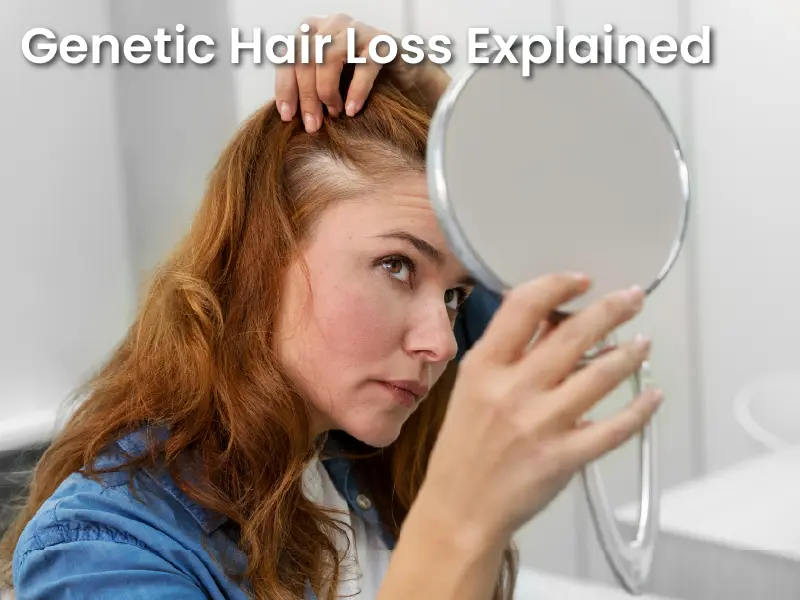
Hair loss can happen for many reasons, but genetics is one of the most common influences behind gradual thinning in adults. Genetic hair loss, commonly associated with androgenetic alopecia, can affect both men and women. Understanding why it happens and recognising typical patterns can make it easier to seek appropriate advice and consider suitable treatment options.
Understanding Genetic Hair Loss
Genetic hair loss, commonly called androgenetic alopecia, is a hereditary condition affecting both men and women. It develops when genetically sensitive hair follicles gradually produce thinner and shorter hairs. The condition usually progresses slowly over time, although the pattern and severity can vary considerably between individuals.
Recognising Male Pattern Hair Loss
Male pattern hair loss often begins with a receding hairline or thinning around the crown. Over time, these areas may become more noticeable and eventually connect. Genetics strongly influence when the process begins and how far it progresses, although every person can experience a different pattern of thinning.
Recognising Female Pattern Hair Loss
Female pattern hair loss commonly causes gradual thinning across the top and central areas of the scalp rather than a completely receding hairline. The parting may appear wider as hair density decreases. Hormonal and genetic factors can contribute, making professional assessment helpful when persistent thinning becomes noticeable.
Understanding the Role of DHT
Dihydrotestosterone, commonly called DHT, plays an important role in genetic hair loss. In susceptible follicles, DHT can gradually shorten the growth phase and cause follicle miniaturisation. This produces progressively finer hairs until some follicles may eventually stop producing visible hair, particularly in genetically predisposed individuals.
Inheriting Hair Loss Genes
Genetic hair loss does not come exclusively from one side of the family. Multiple genes inherited from both parents can influence susceptibility, age of onset, and progression. Having relatives with pattern hair loss may increase your likelihood, but it cannot determine exactly how your own hair will change.
Noticing Early Warning Signs
Early signs may include increased scalp visibility, gradual thinning, a widening parting, or changes around the temples and crown. Recognising these changes early can make professional assessment more useful. Photographs taken under consistent lighting can also help identify gradual changes in hair density over several months.
Distinguishing Genetics from Shedding
Not every form of hair loss is genetic. Stress, illness, nutritional deficiencies, medications, hormonal changes, and scalp conditions can also cause increased shedding or thinning. Genetic hair loss usually follows recognisable patterns and develops gradually, so accurate diagnosis is important before beginning any specific treatment approach.
Exploring Available Treatments
Treatments such as topical minoxidil may help manage certain forms of genetic hair loss. Other options may be appropriate depending on age, sex, medical history, and individual circumstances. A doctor or dermatologist can confirm the diagnosis and explain the potential benefits, limitations, and risks of available treatments.
Supporting Hair with Healthy Habits
Healthy nutrition, gentle hair care, adequate sleep, and stress management support overall hair health, but they cannot change inherited genetic susceptibility. Maintaining good habits may reduce avoidable damage and support existing hair. Persistent thinning still requires appropriate assessment when genetic hair loss or another underlying condition is suspected.
Seeking Professional Assessment Early
A doctor or dermatologist can examine the pattern of thinning, review medical history, and investigate other possible causes when necessary. Early assessment may provide more treatment options before substantial follicle miniaturisation occurs. Seek medical advice, particularly when hair loss is sudden, patchy, painful, or accompanied by scalp changes.
Conclusion
Genetic hair loss is influenced by inherited characteristics, hormones, and the sensitivity of individual hair follicles. It commonly develops gradually and can affect men and women in different patterns. Although genetics cannot be changed, appropriate treatments may help slow progression or improve hair growth for some people. Understanding the cause of thinning is an important first step before choosing hair loss products or treatments.
Consult a medical professional before following any health advice or starting a new health plan.