

Vitamin Deficiency and Hair Loss
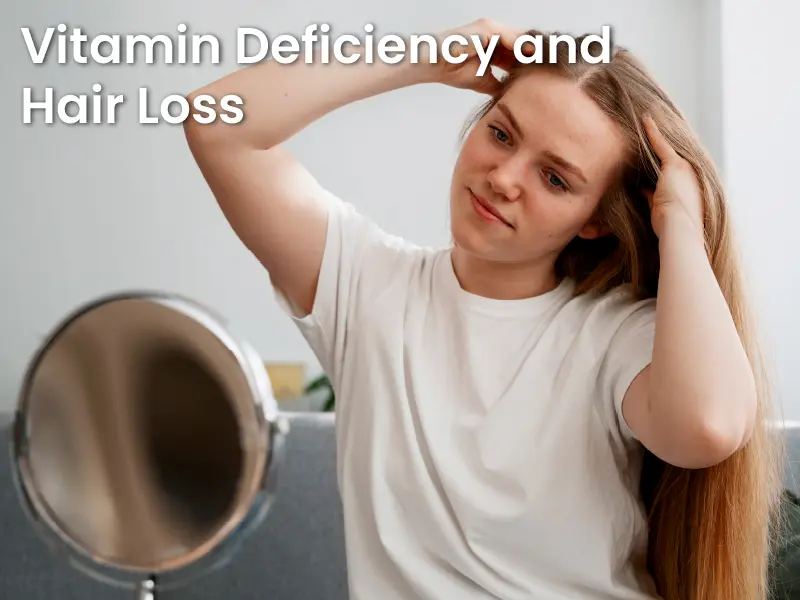
Hair loss can occur for many reasons, including genetics, hormonal changes, stress, medical conditions, medications, and nutritional deficiencies. Certain vitamin and mineral deficiencies may contribute to increased shedding or changes in hair quality. Understanding the connection can help you make informed choices about nutrition and know when professional assessment may be appropriate.
Vitamin D and Hair Follicles
Vitamin D plays an important role in normal hair follicle function and growth cycles. Low levels have been associated with certain forms of hair loss. Foods, sunlight, and supplements, when medically appropriate, can support adequate levels. Testing may help determine whether a genuine deficiency is contributing to thinning.
Iron Deficiency and Hair Shedding
Iron is a mineral rather than a vitamin, but deficiency can contribute to increased hair shedding. Iron supports haemoglobin production and oxygen delivery throughout the body. Low iron stores may affect follicle function, particularly in people with nutritional deficiencies. Blood testing can help identify whether supplementation is necessary.
Vitamin B12 and Healthy Hair
Vitamin B12 supports red blood cell formation and normal cell function. A deficiency may contribute to anaemia and other symptoms that can occur alongside hair changes. People following restrictive diets or experiencing absorption problems may be at greater risk and should discuss persistent symptoms with a healthcare professional.
Folate and Cell Development
Folate, also called vitamin B9, contributes to normal cell division and red blood cell production. Severe deficiency can affect overall health and may accompany changes in hair condition. Maintaining adequate folate through vegetables, legumes, and fortified foods supports general nutrition and normal tissue growth throughout the body.
Biotin Deficiency and Hair Changes
Biotin is commonly promoted for hair health, although true deficiency is relatively uncommon. When deficiency occurs, hair thinning can be one possible symptom. Most people obtain enough biotin through a balanced diet, so routine high-dose supplementation is generally unnecessary unless a healthcare professional identifies a specific need.
Vitamin C and Iron Absorption
Vitamin C supports collagen formation and helps the body absorb iron from plant-based foods. Inadequate intake may indirectly affect hair health when it contributes to poor iron absorption or broader nutritional problems. Fruits and vegetables provide vitamin C alongside other nutrients important for maintaining normal body function.
Vitamin A and Healthy Balance
Vitamin A supports normal cell growth and skin health, but balance is particularly important for hair. Both inadequate nutrition and excessive vitamin A intake can be problematic. High amounts from supplements may contribute to hair shedding, so supplementation should not exceed recommended levels without appropriate professional medical guidance.
Vitamin E and Antioxidant Support
Vitamin E functions as an antioxidant and helps protect cells from oxidative damage. Although deficiency is uncommon, adequate intake contributes to overall health. Nuts, seeds, and vegetable oils are useful dietary sources. Taking excessive supplements has not been proven to provide additional hair growth benefits and may carry risks.
Multiple Nutrient Deficiencies
Hair loss is not always linked to one vitamin. Restrictive diets, poor absorption, or inadequate nutrition may cause several deficiencies simultaneously. Protein, iron, zinc, and vitamins all contribute to normal body functions. A balanced diet and appropriate medical testing can help identify nutritional problems affecting hair health.
Seeking Professional Assessment
Persistent or sudden hair loss should not automatically be treated with vitamin supplements. Genetics, hormones, illness, medications, and scalp conditions can also contribute. A healthcare professional can assess symptoms and arrange appropriate testing. Identifying the underlying cause helps ensure treatment is suitable, safe, and more likely to be effective.
Conclusion
Vitamin deficiency and hair loss can sometimes be connected, but nutritional problems are only one of many possible explanations for thinning or shedding. Maintaining a varied diet can support normal hair growth, while supplements should be used carefully and only when appropriate. Identifying the actual cause of persistent hair loss is more useful than assuming a particular vitamin is responsible.
Consult a medical professional before following any health advice or starting a new health plan.