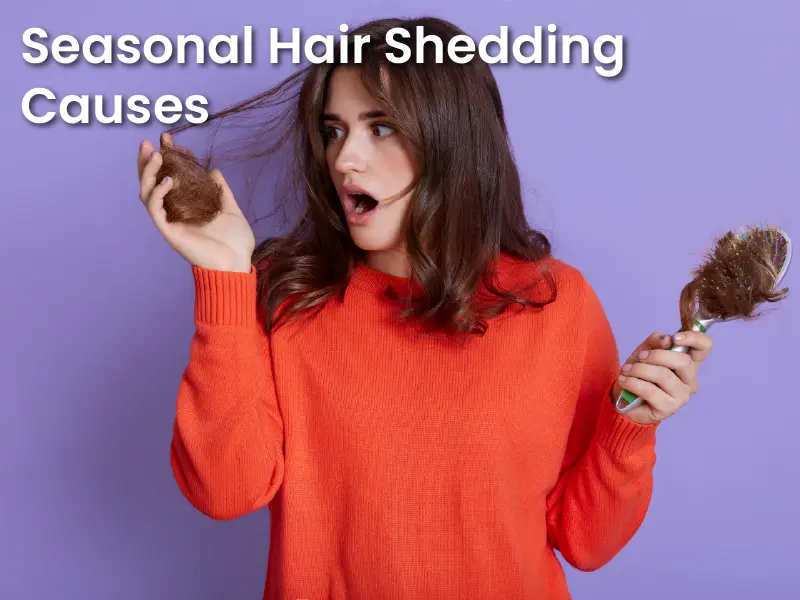
Seasonal hair shedding is a common experience that affects many people throughout the year. It often becomes more noticeable during seasonal transitions, especially in autumn and spring. While temporary shedding can feel concerning, it is usually part of the natural hair growth cycle. Understanding the causes can help you manage changes more confidently.
Natural Hair Growth Cycles
Hair naturally moves through growth, resting, and shedding phases throughout the year. Seasonal changes can influence these cycles, leading to temporary increases in shedding. This process is often normal and usually resolves as the body adjusts to environmental and hormonal shifts linked to changing seasons.
Changes in Sunlight Exposure
Seasonal variations in sunlight can affect hormone levels and hair growth patterns. Reduced daylight during colder months may influence the resting phase of follicles, leading to increased shedding. Changes in sun exposure can also affect vitamin D levels, which play a role in healthy hair growth.
Temperature and Weather Shifts
Cold air, wind, and indoor heating can dry the scalp and weaken hair strands. Seasonal weather changes may increase breakage and shedding. Maintaining hydration and protecting the hair from harsh conditions helps reduce the impact of environmental stress during seasonal transitions.
Humidity and Scalp Balance
Humidity levels affect scalp oil production and hair condition. High humidity may increase oiliness, while dry seasons can cause irritation and flaking. These changes influence scalp health and can contribute to temporary shedding. Adapting hair care routines to seasonal conditions helps maintain balance and reduce stress on follicles.
Stress from Seasonal Transitions
Changes in routine, weather, or daylight can increase stress levels, which may affect hair growth cycles. Elevated stress hormones can push more follicles into the shedding phase. Managing stress through healthy habits supports better scalp health and helps minimise seasonal hair loss.
Nutritional Changes Throughout the Year
Dietary habits often shift with the seasons, affecting nutrient intake. Reduced consumption of fresh produce or changes in eating patterns may lead to temporary nutrient imbalances. Hair follicles rely on vitamins and minerals, so maintaining balanced nutrition supports healthier growth and reduces seasonal shedding.
Scalp Dryness During Colder Months
Cold weather and indoor heating can strip moisture from the scalp, leading to dryness and irritation. A dry scalp may weaken hair at the roots and increase shedding. Using hydrating products and avoiding excessive heat styling helps protect scalp condition during colder seasons.
Increased Hair Washing and Styling
Seasonal weather changes may lead to more frequent washing or styling adjustments. Excessive heat tools or harsh products can weaken strands and contribute to shedding. Gentle hair care and reduced stress on the scalp help maintain stronger, healthier hair throughout seasonal changes.
Hormonal Fluctuations
Seasonal changes may subtly influence hormones that affect hair growth cycles. Variations in hormone levels can temporarily increase shedding during certain times of the year. Maintaining a healthy lifestyle and balanced routine helps support hormonal stability and overall hair health.
Temporary Nature of Seasonal Shedding
Seasonal hair shedding is often temporary and part of the natural growth cycle. Most people experience improvement as the body adapts to environmental changes. Supporting scalp health, maintaining nutrition, and following gentle hair care practices help minimise shedding and encourage stronger regrowth.
Conclusion
Seasonal hair shedding causes are often linked to natural changes in the hair growth cycle, environment, and lifestyle habits. While temporary shedding is common, maintaining healthy scalp care and balanced routines can help support stronger hair throughout the year. If hair loss becomes persistent or severe, consult a medical professional before following any health advice or starting a new health plan.
Seeking a convenient way to buy your medications? Explore bodybuilderspharmacy.com for a comprehensive selection of pharmaceuticals.