

Relationship Stress and Intimacy
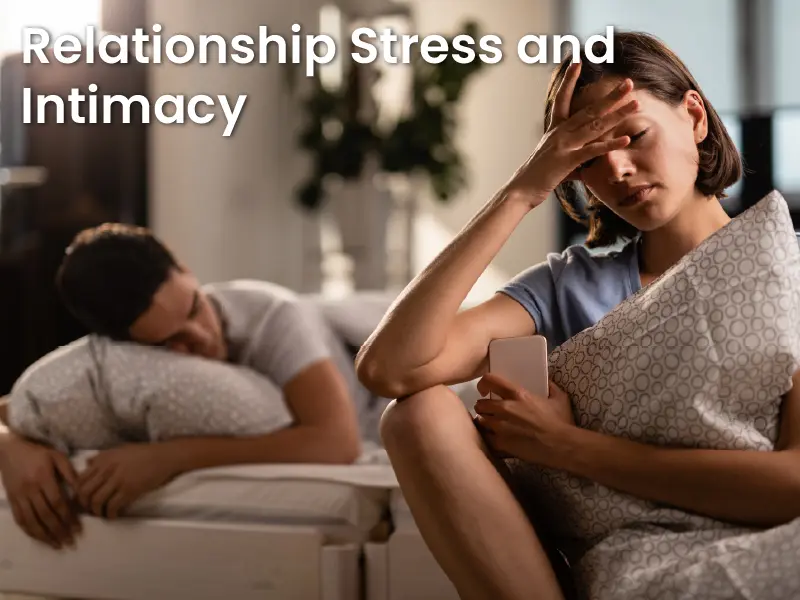
Stress is a normal part of life, but when it enters a relationship, it can affect communication, emotional closeness, and physical intimacy. Work pressures, financial concerns, family responsibilities, health worries, and unresolved disagreements can all influence how connected partners feel. Understanding the relationship between stress and intimacy can help couples respond to difficulties in healthier and more supportive ways.
Communicating During Stressful Periods
Relationship stress can make communication more difficult and create emotional distance between partners. Speaking calmly about concerns, feelings, and expectations can reduce misunderstandings. Regular conversations help both partners understand what is causing tension and provide opportunities to work together towards healthier communication and a stronger emotional connection.
Understanding Changes in Sexual Desire
Stress can affect sexual desire by increasing fatigue, worry, and emotional tension. Some people may experience reduced interest in intimacy during difficult periods. Recognising that desire can naturally change helps partners avoid unnecessary pressure and encourages supportive conversations about maintaining closeness while managing relationship challenges together.
Making Time for Emotional Connection
Busy routines and ongoing stress can reduce opportunities for meaningful connection. Spending regular quality time together can strengthen emotional intimacy and improve relationship satisfaction. Simple activities such as talking, sharing meals, or enjoying hobbies together provide opportunities to reconnect and maintain closeness during stressful periods.
Avoiding Blame During Conflict
Blaming each other during disagreements can increase resentment and make intimacy more difficult. Focusing on specific concerns rather than personal criticism encourages healthier problem-solving. Using respectful language and listening to each other’s perspective can reduce emotional tension and create a safer environment for rebuilding trust and connection.
Respecting Personal Boundaries
Stress does not remove the importance of personal boundaries and mutual consent. Partners should respect each other’s emotional and physical comfort levels without applying pressure. Clear communication about boundaries promotes trust and security, helping both individuals maintain a respectful relationship even when stress affects their usual patterns of intimacy.
Managing Stress as a Team
Working together to manage everyday stress can strengthen a relationship. Partners can support each other through shared responsibilities, regular exercise, relaxation, or enjoyable activities. Approaching challenges as a team may reduce feelings of isolation and create more opportunities for emotional support, affection, and healthy intimacy.
Maintaining Physical Affection
Intimacy includes more than sexual activity. Hugging, holding hands, cuddling, and other comfortable forms of affection can help partners remain connected when stress affects sexual desire. Regular physical affection may provide reassurance and emotional warmth while allowing both partners to maintain closeness without creating unwanted expectations.
Prioritising Rest and Wellbeing
Poor sleep, exhaustion, and unhealthy routines can increase stress and reduce interest in intimacy. Prioritising adequate rest, balanced nutrition, regular movement, and personal relaxation supports physical and emotional wellbeing. Healthier daily habits may improve energy, mood, and the ability to connect positively with a partner.
Addressing Unresolved Relationship Issues
Repeated disagreements, financial concerns, trust problems, or unequal responsibilities can create ongoing tension that affects intimacy. Ignoring these concerns may increase emotional distance. Discussing problems openly and looking for practical solutions can help reduce resentment and create healthier conditions for emotional and physical closeness within the relationship.
Seeking Professional Support When Needed
Persistent relationship stress may benefit from professional guidance, particularly when communication repeatedly breaks down or intimacy concerns cause significant distress. A qualified relationship counsellor or healthcare professional can help identify contributing factors and suggest appropriate strategies. Seeking support can provide a constructive way to address difficulties and improve wellbeing.
Conclusion
Relationship stress and intimacy can influence each other, particularly during challenging periods. Open communication, emotional support, mutual consent, healthy boundaries, and effective stress management can help partners maintain connection without creating additional pressure. Every relationship is different, so finding approaches that respect the needs and well-being of both partners is important for building lasting intimacy.
Consult a medical professional before following any health advice or starting a new health plan.