







Protecting Skin from Pollution
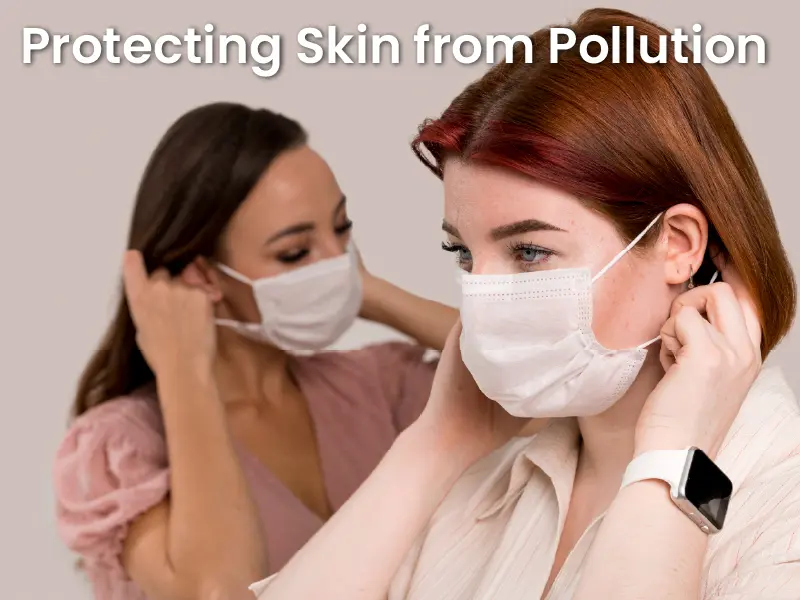
Air pollution is part of everyday life, particularly in busy urban environments. Pollutants such as particulate matter, smoke, and other airborne substances can settle on exposed skin and may contribute to oxidative stress, irritation, and changes in the skin barrier. A consistent skincare routine can help remove impurities and support healthier-looking skin.
Cleansing Skin Every Evening
Cleansing in the evening helps remove dirt, excess oil, makeup, and pollution particles that collect on the skin throughout the day. Choose a gentle cleanser suitable for your skin type. Avoid excessive scrubbing, as irritation can weaken the skin barrier and leave the complexion feeling uncomfortable or sensitive.
Using Antioxidant Skincare
Antioxidants such as vitamin C and vitamin E can help protect skin from oxidative stress caused by environmental exposure. Adding a suitable antioxidant product to your routine may support healthier-looking skin. Introduce new ingredients gradually and monitor your skin for irritation, particularly if you have sensitive skin.
Applying Sunscreen Daily
Pollution and ultraviolet exposure are separate environmental concerns, but protecting against both supports overall skin health. Apply broad-spectrum sunscreen every morning and reapply when appropriate. Consistent sun protection helps reduce ultraviolet-related pigmentation, premature ageing, and other visible changes that may affect the appearance of your complexion.
Strengthening the Skin Barrier
A healthy skin barrier helps retain moisture and protects against environmental irritants. Moisturisers containing ingredients such as ceramides, glycerine, or hyaluronic acid can support hydration and barrier function. Keeping the skin properly moisturised may reduce dryness and sensitivity, particularly when regularly exposed to polluted or harsh urban environments.
Avoiding Excessive Face Touching
Hands regularly come into contact with surfaces that may contain dirt, oil, and environmental contaminants. Frequently touching your face can transfer these substances onto the skin. Keeping your hands clean and reducing unnecessary face touching may help minimise irritation, clogged pores, and other unwanted skin concerns.
Removing Makeup Before Sleeping
Makeup can combine with oil, sweat, and environmental particles throughout the day. Removing it thoroughly before bed prevents residue from remaining on the skin overnight. Follow makeup removal with gentle cleansing and moisturising to support a clean, comfortable complexion and maintain the skin’s natural protective barrier.
Exfoliating Without Overdoing It
Appropriate exfoliation can remove accumulated dead skin cells and improve the appearance of dull skin. However, excessive exfoliation may cause irritation and damage the protective barrier. Choose a gentle method suitable for your skin type and allow enough time between treatments for the skin to recover comfortably.
Keeping Skincare Tools Clean
Makeup brushes, facial tools, and reusable applicators can collect oil, product residue, and environmental particles. Cleaning them regularly reduces the transfer of unwanted substances back onto your face. Good tool hygiene complements daily cleansing and helps maintain a cleaner, healthier skincare routine in polluted environments.
Supporting Skin with Healthy Habits
Balanced nutrition, sufficient water, regular exercise, and adequate sleep support normal skin function and overall wellbeing. These habits cannot prevent pollution exposure completely, but they contribute to healthy skin maintenance. Combining good lifestyle habits with suitable topical skincare provides a more complete approach to protecting your complexion.
Maintaining a Consistent Routine
A complicated skincare routine is not always necessary for protecting skin from environmental exposure. Consistent cleansing, moisturising, antioxidant care, and sun protection can provide a practical foundation. Choosing products appropriate for your skin type and using them regularly may be more beneficial than frequently changing between different treatments.
Conclusion
Protecting skin from pollution involves maintaining a simple and consistent routine rather than relying on one anti-pollution product. Gentle cleansing, regular moisturising, suitable antioxidants, daily sunscreen, and careful use of active ingredients can support the skin barrier and maintain a healthier-looking complexion. Choose products according to your skin type and avoid excessive cleansing or exfoliation that may cause additional irritation.
Consult a medical professional before following any health advice or starting a new health plan.
Subtotal: USD $2.40