










Medication-Related Hair Loss
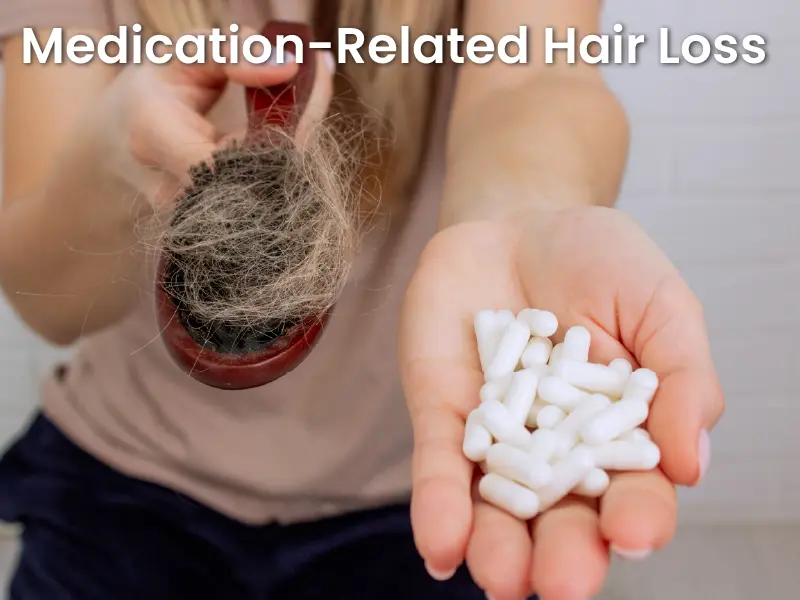
Hair loss can be concerning, particularly when it develops unexpectedly after starting a new medicine. Although genetics, hormonal changes, nutritional deficiencies, and medical conditions are common causes of hair thinning, certain medications can also influence the normal hair growth cycle.
Understanding Medication-Related Hair Loss
Medication-related hair loss occurs when certain medicines interfere with the normal hair growth cycle. Some treatments may cause increased shedding, while others can produce more noticeable thinning. The severity varies depending on the medicine, dosage, treatment duration, and individual response. Not everyone taking these medicines will experience hair loss.
Recognising Common Hair Loss Patterns
Medication-related hair loss often appears as diffuse thinning across the scalp rather than isolated bald patches. Some people notice increased shedding during washing or brushing. The pattern depends on how the medicine affects hair follicles. Recognising these changes early can help healthcare professionals investigate possible causes and recommend appropriate management.
Understanding Telogen Effluvium
Telogen effluvium occurs when more hair follicles than usual enter the resting phase, leading to increased shedding. Certain medicines can trigger this process, sometimes several months after treatment begins. Hair loss is often temporary, although recovery depends on the underlying cause, continued medication exposure, and individual hair growth patterns.
Recognising Anagen Effluvium
Anagen effluvium affects actively growing hair and is commonly associated with certain chemotherapy medicines. Hair loss may develop relatively quickly because these treatments interfere with rapidly dividing cells. The extent varies between treatments. Hair often begins growing again after chemotherapy finishes, although texture, colour, or density may initially differ.
Identifying Medicines That May Cause Hair Loss
Some anticoagulants, antidepressants, retinoids, anticonvulsants, and other medicines have been associated with hair shedding in certain individuals. However, the risk differs between specific treatments. Hair loss may also result from an underlying medical condition, making professional assessment important before assuming a prescribed medicine is responsible.
Monitoring Hair Changes During Treatment
Observing changes in hair density, shedding, and scalp condition can provide useful information during medical treatment. Taking photographs under consistent lighting may help track gradual differences. Recording when symptoms began and whether medication dosages changed can also assist healthcare professionals in evaluating possible causes and recommending suitable next steps.
Avoiding Sudden Medication Discontinuation
Stopping prescribed medication without medical guidance can create serious health risks, particularly when treating chronic conditions. If hair loss develops, speak with the prescribing healthcare professional before making changes. They may assess alternative explanations, review the dosage, or consider another treatment when appropriate, while maintaining control of the underlying condition.
Supporting Hair Through Balanced Nutrition
Adequate nutrition supports normal hair growth and overall health during medical treatment. Protein, iron, zinc, and other essential nutrients contribute to healthy hair function. However, supplements cannot reliably prevent medication-related hair loss unless a deficiency exists. Discuss suspected nutritional deficiencies with a healthcare professional before beginning supplementation.
Practising Gentle Hair Care
Gentle hair care may reduce unnecessary breakage while experiencing medication-related thinning. Avoid tight hairstyles, excessive heat styling, and harsh chemical treatments when possible. Use suitable cleansing products and handle fragile hair carefully. Although these habits cannot prevent medicine-induced shedding, they may help protect existing strands and improve comfort.
Seeking Professional Advice and Recovery Support
A doctor or dermatologist can assess whether hair loss may be associated with medication, nutritional deficiencies, hormonal changes, or other conditions. Recovery varies, and regrowth may take several months after the cause is addressed. Always consult a medical professional before changing prescribed medication, following health advice, or starting new treatments.
Conclusion
Medication-related hair loss can occur when certain treatments interfere with the normal hair growth cycle. Depending on the medicine involved, individuals may experience gradual thinning, increased shedding, or more rapid hair loss.
Subtotal: USD $46.75