


Meal Prep for Weight Loss
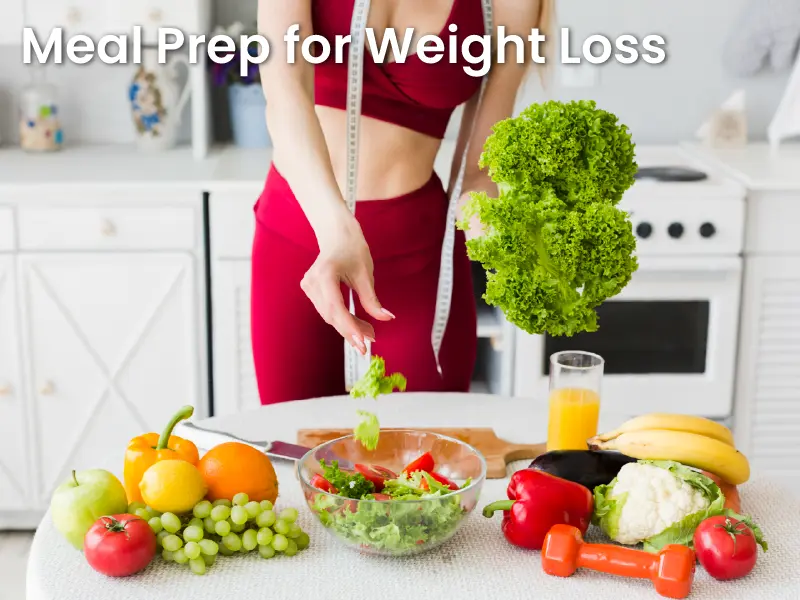
Meal prepping is one of the most practical ways to support a weight-loss journey. By planning and preparing meals ahead of time, you can control portions, make healthier food choices, reduce impulsive eating, and save both time and money. Instead of relying on takeaway meals or convenient processed foods when you are hungry, you already have nutritious options ready to eat.
Why Meal Prep Helps with Weight Loss
Successful weight loss generally depends on maintaining a calorie deficit while still providing your body with enough nutrients. Meal preparation makes this easier because you know what ingredients and portion sizes are going into each meal.
Planning meals in advance can also help you build a more balanced diet. A satisfying weight-loss meal can include lean protein, vegetables, whole grains or other high-fibre carbohydrates, and a moderate amount of healthy fats.
Protein-rich foods such as chicken, fish, eggs, tofu, beans, and Greek yogurt can help meals feel more filling. Vegetables and high-fibre foods add volume and nutrients, while healthy fats from foods such as avocado, nuts, seeds, and olive oil can be included in appropriate portions.
How to Start Meal Prepping
You do not need to prepare an entire week’s food at once. Start with three or four days of meals and choose simple recipes that are easy to cook, store, and reheat.
Before shopping, decide what you will eat for breakfast, lunch, dinner, and snacks. Create a shopping list based on your plan so you are less likely to purchase unnecessary foods.
You can also prepare ingredients rather than complete meals. For example, cook a batch of chicken, rice, or quinoa, wash and chop vegetables, boil eggs, and prepare a simple dressing. These ingredients can then be mixed and matched throughout the week.
Control Your Portions
Meal prep containers can make portion management easier. Rather than filling every container equally, think about the nutritional balance of each meal.
A simple approach is to make vegetables a large part of the meal, include a suitable serving of protein, add a portion of high-fibre carbohydrates, and include healthy fats in smaller amounts.
Remember that portion requirements vary depending on factors such as body size, activity level, goals, and individual nutritional needs. Weight-loss meal prep should therefore be flexible rather than excessively restrictive.
Choose Foods You Actually Enjoy
Healthy eating does not have to mean eating plain chicken and vegetables every day. Variety makes a meal-prep routine much easier to maintain.
Try changing seasonings, sauces, vegetables, proteins, and side dishes throughout the week. For example, grilled chicken can be used in a rice bowl one day, a salad the next, and a whole-grain wrap later in the week.
The goal is to create meals that are nutritious but also enjoyable enough that you look forward to eating them.
Prepare Healthy Snacks
Snacks can also be prepared ahead of time. Instead of reaching for highly processed foods when you become hungry, keep convenient options available.
Fresh fruit, Greek yogurt, boiled eggs, chopped vegetables, cottage cheese, or a portion of nuts are simple choices. Preparing appropriate portions beforehand can also prevent mindless snacking directly from a large packet.
Keep Your Meal Prep Simple
One of the biggest mistakes people make is creating a meal-prep routine that is too complicated. You do not need several different recipes or hours of cooking every week.
Choose ingredients that work across multiple meals and use convenient options when necessary. Frozen vegetables, canned beans, pre-cooked whole grains, and other minimally processed ingredients can significantly reduce preparation time.
A simple routine that you can maintain consistently is usually more useful than an ambitious plan that you abandon after a few weeks.
Conclusion
Meal prep can make weight loss simpler by giving you greater control over your food choices, portions, and daily routine. It reduces the need to make last-minute decisions when you are hungry and makes nutritious meals more convenient.
However, successful weight loss is not about creating a perfect meal plan or following an unnecessarily restrictive diet. It is about developing eating habits that are nutritious, enjoyable, and realistic enough to maintain over time.
Start small, prepare foods you genuinely enjoy, pay attention to portions, and adjust your meals according to your needs. When meal preparation becomes part of your regular routine, healthy eating can feel less like a temporary diet and more like a sustainable lifestyle.
Subtotal: USD $25.90