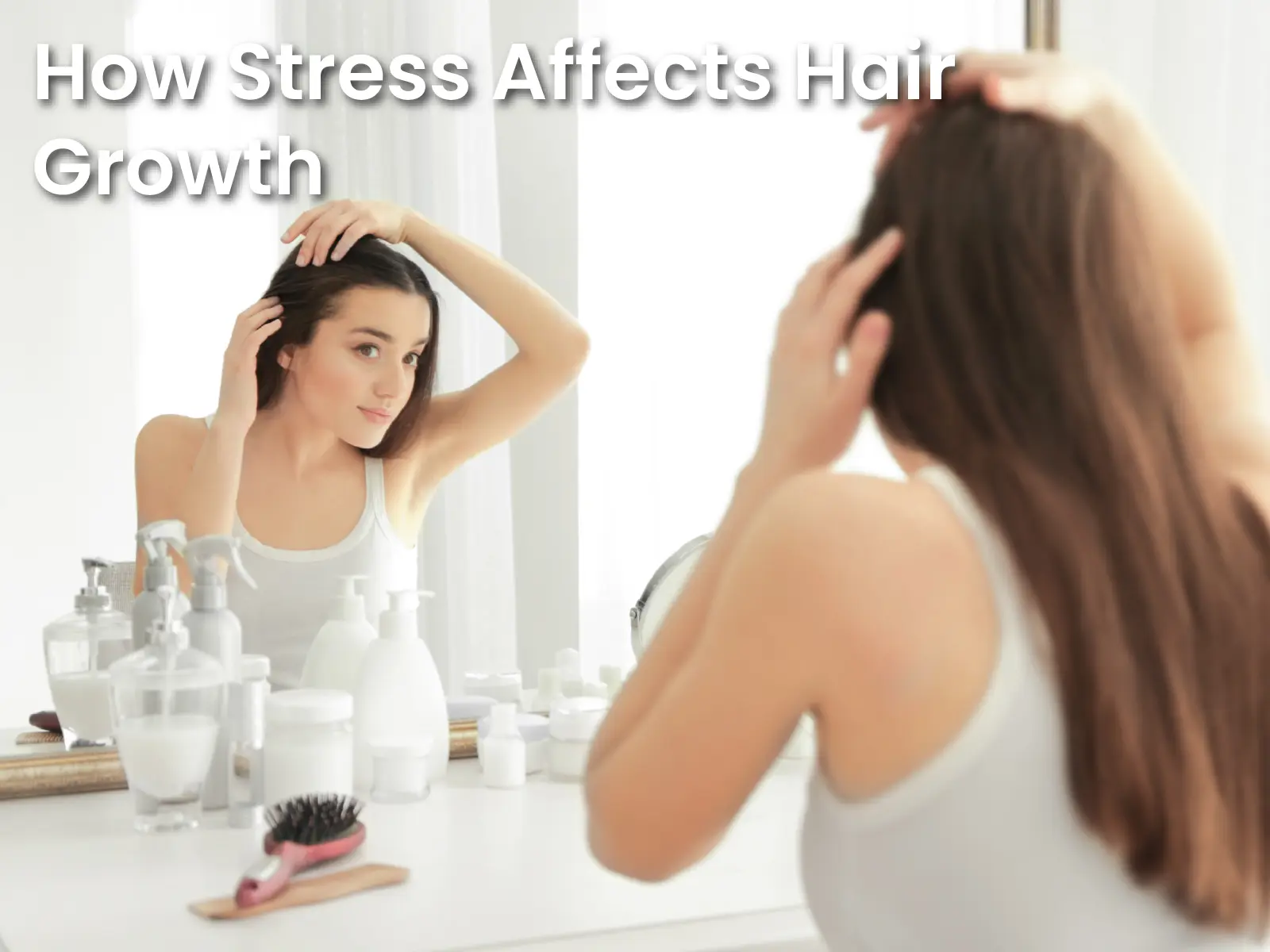
Stress can affect many aspects of physical and emotional well-being, including the health of your hair. While occasional stress is a normal part of life, prolonged or intense stress may disrupt the natural hair growth cycle and contribute to increased shedding or thinning. Understanding this connection can help you take steps to protect your hair and overall health.
Stress and the Hair Growth Cycle
Stress can disrupt the normal hair growth cycle by pushing more follicles into the shedding phase. This process may lead to noticeable hair loss several weeks or months after a stressful event. Understanding this connection helps individuals recognise potential causes and take steps to support recovery and scalp health.
Increased Hair Shedding
High stress levels are commonly linked to excessive hair shedding. Stress-related changes within the body can cause a larger number of hairs to enter the resting phase. As these hairs shed, overall hair density may appear reduced, creating concern about thinning and volume loss.
Impact of Cortisol Levels
Stress increases the production of cortisol, a hormone that can affect many bodily functions. Elevated cortisol levels may interfere with hair follicle activity and healthy growth patterns. Managing stress effectively helps support hormonal balance and may reduce the impact on hair health.
Reduced Nutrient Availability
Stress can influence appetite and eating habits, leading to poor nutrition. Inadequate intake of essential vitamins and minerals may weaken hair follicles and slow growth. Maintaining a balanced diet during stressful periods supports stronger hair and overall well-being.
Scalp Health and Tension
Stress often leads to physical tension, including tightness in the scalp and surrounding muscles. Reduced circulation may affect nutrient delivery to follicles. Relaxation techniques and scalp massage can help improve blood flow and support a healthier environment for hair growth.
Stress-Related Inflammation
Chronic stress may contribute to increased inflammation within the body. Inflammation can affect follicle function and disrupt normal growth cycles. Supporting overall health through stress management and healthy lifestyle habits helps reduce inflammation and promotes healthier hair growth.
Changes in Sleep Quality
Stress frequently interferes with sleep, reducing the body’s ability to recover and repair. Poor sleep can affect hormone balance and overall health, indirectly influencing hair growth. Prioritising quality rest supports both scalp health and the natural growth cycle.
Emotional Wellbeing and Hair Health
Hair loss caused by stress can create additional emotional strain, leading to a cycle of worry and further stress. Addressing emotional well-being through healthy coping strategies helps break this pattern and supports both mental health and hair recovery.
Temporary Nature of Stress-Related Hair Loss
In many cases, stress-related hair shedding is temporary and improves once stress levels decrease. Hair follicles often recover naturally over time. Understanding that this type of hair loss can be reversible helps reduce anxiety and encourages patience during the recovery process.
Managing Stress for Healthier Hair
Practising stress management techniques such as exercise, meditation, and relaxation can support healthier hair growth. Reducing stress helps maintain hormonal balance, improves sleep quality, and supports overall well-being. Consistent self-care creates a healthier environment for stronger and more resilient hair.
Conclusion
Understanding how stress affects hair growth can help you recognise potential causes of shedding and thinning. While stress-related hair loss is often temporary, managing stress levels and maintaining healthy lifestyle habits can support recovery and promote stronger hair growth. If hair loss becomes severe or persistent, consult a medical professional before following any health advice or starting a new health plan.