




Healthy Weight Loss After 40
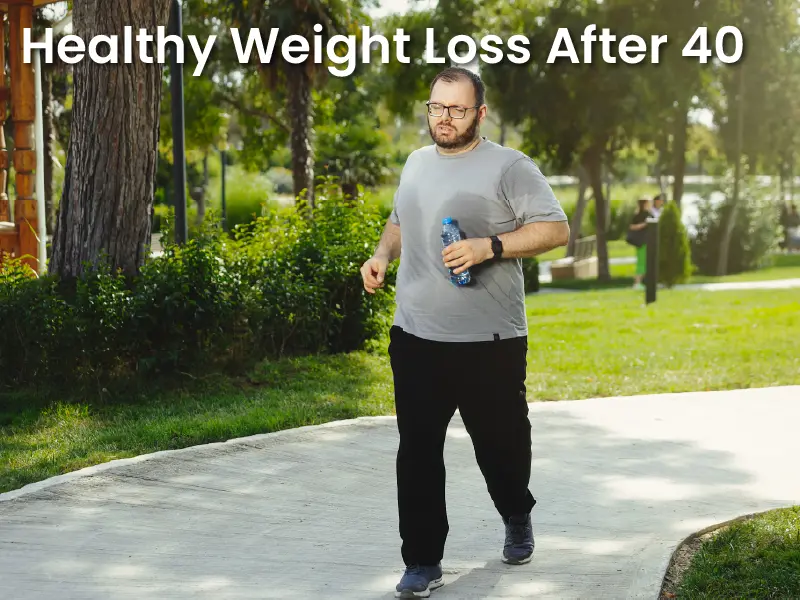
Maintaining a healthy weight can become more challenging as people move through their forties and beyond. Changes in muscle mass, physical activity, sleep, hormones, and everyday responsibilities may influence how the body manages energy and weight.
Understanding Weight Changes After 40
Weight management can become more challenging after 40 due to changes in muscle mass, physical activity, hormones, and daily routines. However, ageing does not automatically prevent weight loss. Understanding these factors can help individuals develop realistic expectations and choose sustainable lifestyle habits that support long term health and wellbeing.
Prioritising Protein Rich Meals
Adequate protein intake becomes increasingly important with age because it helps maintain muscle mass and supports recovery. Including eggs, fish, poultry, dairy products, beans, and tofu in balanced meals may also improve fullness. Combining protein with vegetables and wholegrains supports nutrition while managing overall energy intake during weight loss.
Maintaining Muscle Through Strength Training
Strength training can help preserve muscle mass, improve physical function, and support healthy body composition after 40. Exercises using weights, resistance bands, or body weight can be effective. Starting with manageable resistance and progressing gradually allows individuals to build confidence while reducing unnecessary strain and supporting long term fitness.
Managing Calorie Intake Sensibly
Healthy weight loss generally requires consuming less energy than the body uses over time. However, excessively restrictive diets can increase fatigue and make nutritional needs harder to meet. Choosing appropriate portions, balanced meals, and sustainable eating habits can support gradual weight reduction without unnecessarily sacrificing energy or muscle mass.
Increasing Daily Physical Activity
Regular movement supports energy expenditure, cardiovascular health, and overall fitness. Walking, cycling, swimming, gardening, and other enjoyable activities can help maintain an active lifestyle after 40. Increasing everyday movement alongside structured exercise provides a practical approach to weight management without depending entirely on intensive gym sessions.
Improving Sleep Quality
Sleep can influence appetite, energy levels, and the ability to maintain healthy routines. Poor sleep may increase hunger and make nutritious food choices more difficult. Establishing consistent sleeping hours, limiting evening distractions, and creating a comfortable sleeping environment can support weight management and overall wellbeing after 40.
Managing Stress and Emotional Eating
Work responsibilities, family commitments, and everyday pressures can contribute to stress related eating. Recognising emotional triggers may help individuals distinguish physical hunger from eating for comfort. Relaxation techniques, enjoyable activities, regular movement, and supportive relationships can improve emotional wellbeing while encouraging healthier and more consistent eating habits.
Choosing Fibre Rich Foods
Fibre supports digestive health and can increase feelings of fullness, making it useful during weight management. Vegetables, fruit, wholegrains, beans, lentils, nuts, and seeds provide valuable sources. Including a variety of fibre rich foods in daily meals can improve nutritional quality while helping manage appetite and portion sizes.
Considering Hormonal and Health Changes
Hormonal changes, menopause, certain medications, and health conditions may influence body weight or fat distribution after 40. These factors affect individuals differently and should not automatically be blamed for weight gain. A healthcare professional can assess persistent concerns and recommend appropriate strategies based on personal health circumstances.
Building Sustainable Weight Loss Habits
Long term weight management depends on consistent habits rather than rapid results. Balanced nutrition, resistance training, regular movement, sufficient sleep, and realistic goals can support healthy progress after 40. Tracking changes beyond body weight may also help maintain motivation. Consult a medical professional before starting a new weight loss plan.
Conclusion
Healthy weight loss after 40 involves understanding how ageing, lifestyle, nutrition, and physical activity can influence body composition and energy requirements.
A moderate calorie deficit, adequate protein, regular resistance training, cardiovascular exercise, fibre rich foods, and sufficient sleep can support gradual weight management while helping maintain strength and overall wellbeing.