






Category: Weight loss
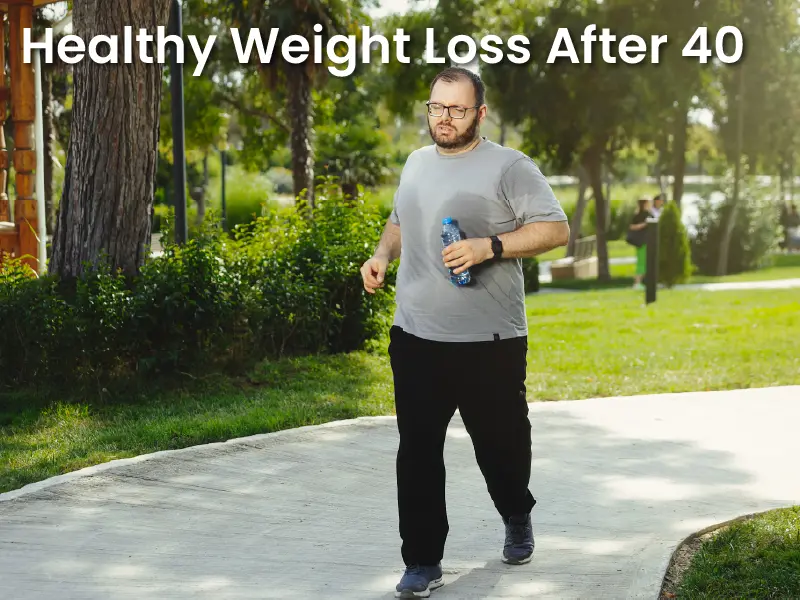
Healthy Weight Loss After 40
Maintaining a healthy weight can become more challenging as people move through their forties and beyond. Changes in muscle mass, physical activity, sleep, hormones, and everyday responsibilities may influence how the body manages energy and weight. Understanding Weight Changes After 40 Weight management can become more challenging after 40 due to changes in muscle mass,

Weight Loss and Muscle Preservation
Losing weight is a common health and fitness goal, but maintaining muscle during the process is equally important. When body weight decreases, the body may lose a combination of fat, water, and lean tissue, including muscle. Without an appropriate approach, excessive calorie restriction and inadequate exercise may contribute to unwanted muscle loss. Understanding Muscle Preservation

Controlling Food Cravings
Food cravings are strong desires for particular foods and can occur even when you are not physically hungry. They are a normal experience and may be influenced by hunger, habits, emotions, food availability, sleep, stress, and environmental cues. Eating Regular Balanced Meals Regular meals can help prevent extreme hunger that may make food cravings feel

Protein and Appetite Control
Protein is an essential nutrient that supports muscle maintenance, tissue repair, and many important processes throughout the body. It can also influence feelings of fullness, which is why protein is often discussed in relation to appetite control and weight management. Increasing Feelings of Fullness Protein can help increase feelings of fullness after eating, which may

Fibre and Weight Management
Fibre is an important part of a balanced diet and can play a useful role in healthy weight management. Found mainly in plant foods, dietary fibre supports normal digestion and may help you feel fuller after eating. Understanding how fibre works and where to find it can make planning nutritious, satisfying meals easier. Increasing Feelings

Mindful Eating for Weight Control
Mindful eating is an approach that encourages you to pay closer attention to how, why, and what you eat. Rather than following strict food rules, it focuses on recognising hunger and fullness, reducing distractions, and becoming more aware of eating habits. These skills may support a healthier relationship with food and sustainable weight management. Listening
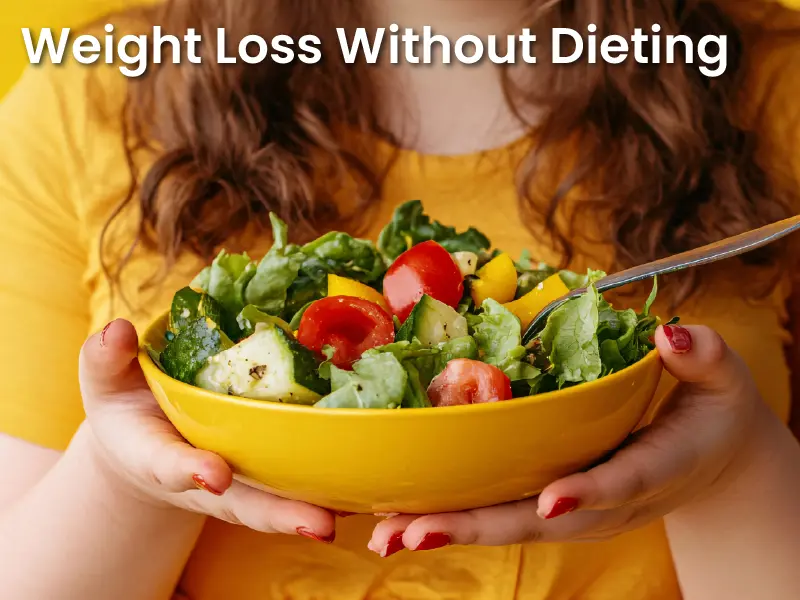
Weight Loss Without Dieting
Losing weight does not always mean following a strict diet, counting every calorie, or giving up the foods you enjoy. For many people, a more sustainable approach is to make small lifestyle changes that naturally support a healthier weight. Instead of focusing on restrictions, weight loss without dieting is about building habits that can be

Meal Prep for Weight Loss
Meal prepping is one of the most practical ways to support a weight-loss journey. By planning and preparing meals ahead of time, you can control portions, make healthier food choices, reduce impulsive eating, and save both time and money. Instead of relying on takeaway meals or convenient processed foods when you are hungry, you already

Intermittent Fasting Explained
Intermittent fasting has become a popular approach to weight management and healthy living. Rather than focusing on specific foods, it involves alternating between periods of eating and fasting. While it may work well for some people, understanding how it works and whether it suits your lifestyle is important before making any changes. Understanding Intermittent Fasting

Weight Loss Myths Debunked
Weight loss advice is everywhere, making it difficult to separate facts from fiction. Many popular myths promise quick results but often lead to disappointment or unhealthy habits. Understanding the truth behind these misconceptions can help you make informed decisions and achieve sustainable long-term success. Skipping Meals Speeds Weight Loss Many people believe skipping meals helps
Subtotal: USD $3.95