

Alcohol and Sexual Performance
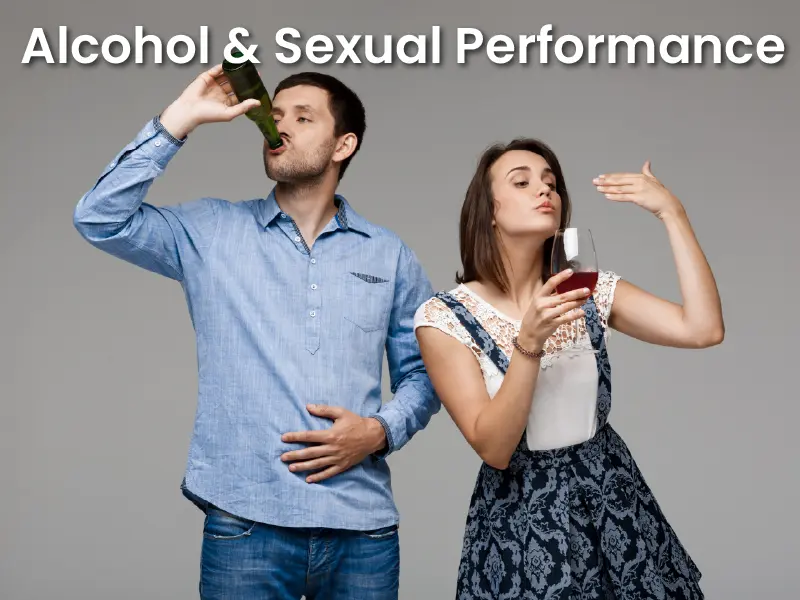
Alcohol is commonly associated with social occasions and relaxation, but it can also influence sexual health and performance. While small amounts of alcohol may help some people feel more relaxed, excessive drinking can affect physical function, decision-making, and overall sexual well-being. Understanding this relationship can help you make informed choices for both your health and your relationships.
How Alcohol Affects Arousal
Alcohol may initially create a feeling of relaxation, but excessive consumption can reduce physical arousal and interfere with normal sexual responses. Although confidence may temporarily increase, alcohol often impairs the body’s ability to respond effectively, making satisfying intimate experiences less likely for many individuals.
Reduced Sexual Performance
Drinking large amounts of alcohol can affect coordination, stamina, and physical performance during intimacy. These effects may make sexual activity more difficult and less enjoyable. Limiting alcohol intake helps support healthier physical function and contributes to more satisfying intimate experiences over time.
Impact on Erectile Function
Excessive alcohol consumption can interfere with blood flow and nerve signals that are important for achieving and maintaining an erection. While occasional drinking may not cause lasting problems, regular heavy alcohol use may increase the likelihood of ongoing erectile difficulties and reduced sexual confidence.
Effects on Sexual Desire
Alcohol affects hormone balance and brain function, both of which influence sexual desire. Although some people feel more confident after drinking, excessive alcohol can reduce genuine interest in intimacy. Maintaining moderate drinking habits supports healthier libido and overall sexual well-being.
Lower Fertility in Men and Women
Frequent heavy alcohol consumption may affect fertility by disrupting hormone production and reproductive function. Both men and women may experience reduced fertility when alcohol intake becomes excessive. Choosing healthier lifestyle habits supports reproductive health and improves the chances of successful conception.
Impaired Decision Making
Alcohol reduces judgement and increases impulsive behaviour, making it more difficult to make informed decisions during intimate situations. This may lead to unsafe sexual practices or poor communication. Drinking responsibly helps individuals make healthier choices and protect both themselves and their partners.
Disrupted Sleep and Recovery
Although alcohol may make people feel sleepy, it often reduces overall sleep quality. Poor sleep affects hormone regulation, energy levels, and physical recovery, all of which influence sexual health. Prioritising quality sleep supports better performance, well-being, and relationship satisfaction.
Long-Term Hormonal Changes
Regular heavy drinking may alter hormone levels that support healthy sexual function. Reduced testosterone in men and hormonal imbalance in women can contribute to lower libido and reduced performance. Maintaining moderate alcohol consumption helps protect hormonal health and long-term sexual well-being.
Supporting Better Relationship Intimacy
Healthy intimacy depends on communication, trust, and emotional connection rather than alcohol. Relying on alcohol to feel comfortable may weaken genuine communication between partners. Building confidence through honest conversation and mutual respect creates stronger relationships and more meaningful intimate experiences.
Choosing Moderate Drinking Habits
Moderation is an important part of maintaining good sexual health. Limiting alcohol intake reduces the risk of performance issues, supports hormone balance, and encourages better physical and emotional well-being. Combining responsible drinking with a healthy lifestyle contributes to improved intimacy and overall health.
Conclusion
Alcohol and sexual performance are closely connected, with excessive drinking potentially affecting arousal, erectile function, decision-making, and overall sexual well-being. Drinking responsibly and maintaining healthy lifestyle habits can support better sexual health and stronger relationships. If concerns persist, professional medical advice can help identify any underlying causes. Consult a medical professional before following any health advice or starting a new health plan.