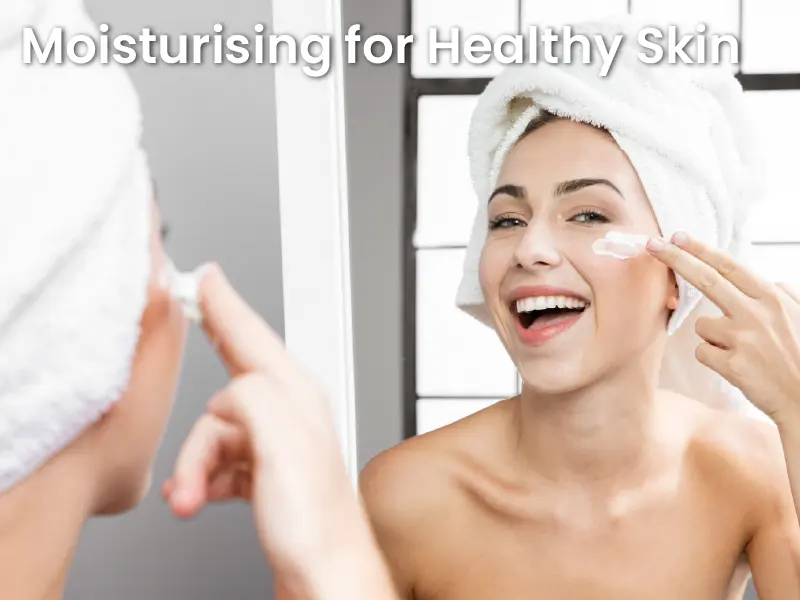
Moisturising is a fundamental step in skin care that supports comfort, appearance, and long-term skin health. Regardless of skin type, using a moisturiser helps protect the skin barrier, maintain hydration, and reduce irritation. When used consistently, moisturising keeps skin balanced and resilient throughout daily life.
Maintaining Skin Hydration
Moisturising helps the skin retain water, preventing dryness and tightness. Well-hydrated skin functions better and appears smoother and more supple. Regular moisturiser use supports natural moisture levels throughout the day, protecting the skin from environmental stress and keeping it comfortable, balanced, and healthy in all conditions.
Strengthening the Skin Barrier
A healthy skin barrier protects against irritants, pollution, and moisture loss. Moisturisers reinforce this barrier by sealing in hydration and supporting lipid balance. Stronger barrier function reduces sensitivity, redness, and dryness, allowing the skin to defend itself more effectively and maintain long-term resilience.
Preventing Premature Ageing
Dry skin highlights fine lines and makes wrinkles more noticeable. Moisturising improves elasticity and plumpness, helping skin look youthful for longer. Consistent hydration supports collagen function and smooth texture, reducing the visible effects of ageing caused by dehydration and daily environmental exposure.
Improving Skin Texture
Rough and uneven skin often results from a lack of moisture. Moisturisers soften the surface by smoothing dry patches and supporting cell renewal. Regular use creates a more even texture, making the skin feel smoother to the touch and improving the overall appearance and comfort of the complexion.
Supporting All Skin Types
Every skin type benefits from moisturising, including oily and acne-prone skin. Proper hydration prevents overproduction of oil caused by dryness. Choosing a suitable formula helps maintain balance, keeping skin calm and nourished without clogging pores or increasing shine.
Enhancing Skincare Effectiveness
Moisturised skin absorbs serums and treatments more effectively. Applying moisturiser locks in active ingredients and maximises their benefits. This step completes a skincare routine by sealing hydration and helping other products perform better, leading to improved results and healthier-looking skin over time.
Protecting Against Environmental Stress
Daily exposure to wind, cold, heat, and pollution depletes skin moisture. Moisturising forms a protective layer that reduces environmental damage. This protection helps prevent irritation and dryness, keeping the skin comfortable and resilient despite changing conditions and external stressors.
Reducing Sensitivity and Irritation
Dry skin is more prone to itching, redness, and discomfort. Moisturisers calm the skin by restoring hydration and strengthening its natural defences. Regular use reduces reactivity and supports a smoother, more comfortable complexion, especially for sensitive or easily irritated skin types.
Maintaining a Healthy Glow
Well-moisturised skin reflects light more evenly, creating a natural, healthy glow. Hydration improves radiance by reducing dullness and flakiness. Consistent moisturising supports vibrant skin appearance, helping it look refreshed, energised, and naturally luminous throughout the day.
Supporting Skin Repair Overnight
Skin repairs itself during sleep, and moisturising before bed supports this process. Nighttime hydration helps restore moisture lost during the day and strengthens recovery. Consistent evening moisturising encourages smoother, healthier skin by morning and supports long-term skin health and balance.
Conclusion
Moisturising is a simple but powerful habit for maintaining healthy skin. Supporting hydration and protecting the skin barrier improves comfort, appearance, and resilience every day. Choosing the right moisturiser and using it consistently makes a lasting difference. For personalised skin care advice or if you have ongoing skin concerns, consult a medical professional before following any health advice or starting a new health plan.