



Healthy Weight Loss After Pregnancy
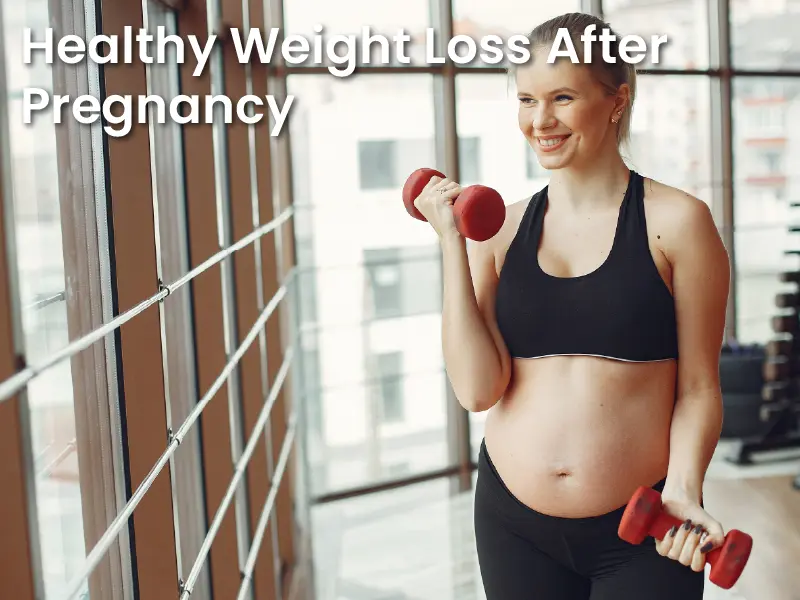
Pregnancy and childbirth bring significant changes to the body. After giving birth, many women consider how to manage their weight while adjusting to the physical and emotional demands of caring for a newborn.
Allowing Time for Postpartum Recovery
The body needs time to recover after pregnancy and childbirth. Hormonal changes, healing tissues, and disrupted sleep can affect energy levels and weight management. Rather than rushing into restrictive diets, focus on recovery and balanced nutrition. Discuss appropriate timing for weight loss with a healthcare professional, particularly after complications.
Setting Realistic Weight Loss Goals
Healthy weight loss after pregnancy is usually a gradual process that varies between individuals. Pre-pregnancy weight, delivery experience, breastfeeding, and lifestyle can influence progress. Setting achievable goals helps reduce unnecessary pressure. Focus on sustainable habits and physical wellbeing rather than expecting immediate changes or comparing recovery with others.
Eating Balanced and Nutritious Meals
A balanced diet supports recovery while providing essential nutrients for daily activities and breastfeeding when applicable. Include vegetables, fruit, wholegrains, protein sources, and healthy fats. Avoid unnecessarily restrictive eating plans that may compromise nutrition. Regular meals can help maintain energy and support gradual weight management during the postpartum period.
Supporting Nutrition While Breastfeeding
Breastfeeding increases nutritional and energy requirements, making adequate food and fluid intake particularly important. Aggressive calorie restriction may affect maternal wellbeing and potentially milk production. Weight loss should be approached carefully, with attention to hunger and recovery. A qualified healthcare professional can recommend suitable dietary adjustments based on individual circumstances.
Returning to Physical Activity Gradually
Gentle movement, such as comfortable walking, may support recovery and overall wellbeing after childbirth. Exercise intensity should increase gradually according to healing, symptoms, and medical guidance. Individuals recovering from caesarean delivery, significant tearing, or other complications may require additional time before returning to more demanding physical activities.
Rebuilding Core and Pelvic Floor Strength
Pregnancy and childbirth can affect abdominal muscles and pelvic floor function. Appropriate rehabilitation exercises may help improve strength, stability, and comfort. A pelvic health physiotherapist can provide individual guidance, particularly when experiencing urinary leakage, pelvic heaviness, or abdominal separation. Avoid rushing into strenuous exercises before adequate recovery.
Prioritising Sleep and Rest
Interrupted sleep is common after childbirth and may influence appetite, mood, and energy levels. Although uninterrupted sleep is not always possible, sharing responsibilities and resting when opportunities arise can support recovery. Managing expectations and seeking practical support may make healthy eating and physical activity easier to maintain.
Managing Stress and Emotional Wellbeing
Postpartum life can involve emotional adjustments, changing routines, and increased responsibilities. Stress may influence eating habits and motivation for exercise. Supportive relationships, realistic expectations, and opportunities for relaxation can improve wellbeing. Persistent sadness, anxiety, or emotional distress should be discussed with a healthcare professional for appropriate support.
Avoiding Restrictive Diets and Quick Fixes
Crash diets, detox products, and rapid weight loss programmes may provide inadequate nutrition during postpartum recovery. They can also increase fatigue and make healthy habits difficult to maintain. Choosing balanced meals, manageable activity, and gradual changes is generally more sustainable. Individual nutritional needs should guide any weight management approach.
Seeking Professional Postpartum Guidance
Postpartum weight management should consider physical recovery, breastfeeding, medical history, and emotional wellbeing. A doctor, midwife, or registered dietitian can help develop an appropriate plan. Always consult a medical professional before following health advice or starting a new weight loss or exercise programme, especially during early recovery.
Conclusion
Healthy weight loss after pregnancy should begin with recovery, adequate nutrition, and realistic expectations.