







Understanding HPV and Prevention
Human papillomavirus, commonly known as HPV, is one of the most widespread sexually transmitted infections worldwide. Many sexually active people will encounter HPV at some point in their lives, often without realising they have been infected.
Understanding What HPV Is
Human papillomavirus, commonly known as HPV, is a group of viruses that can infect the skin and mucous membranes. Some types cause genital warts, while others are associated with certain cancers. HPV is extremely common, and most infections clear naturally without causing serious health problems or noticeable symptoms.
Recognising How HPV Spreads
HPV commonly spreads through intimate skin contact, including vaginal, anal, and oral sexual activity. Transmission can occur even when an infected person has no visible symptoms. Understanding how HPV spreads helps individuals make informed decisions about vaccination, barrier protection, and sexual health without creating unnecessary fear or stigma.
Understanding High-Risk HPV Types
Certain HPV types are classified as high risk because persistent infection can contribute to cancer development. These include cancers affecting the cervix, anus, penis, vulva, vagina, and throat. Most HPV infections do not cause cancer, but persistent high-risk infections require appropriate monitoring and preventive healthcare measures.
Recognising Possible HPV Symptoms
Many people with HPV experience no symptoms and may never realise they have been infected. Some HPV types can cause genital warts, while high-risk infections often remain unnoticed. Regular cervical screening, where recommended, can help identify abnormal cell changes before they develop into more serious health problems.
Understanding HPV Vaccination Benefits
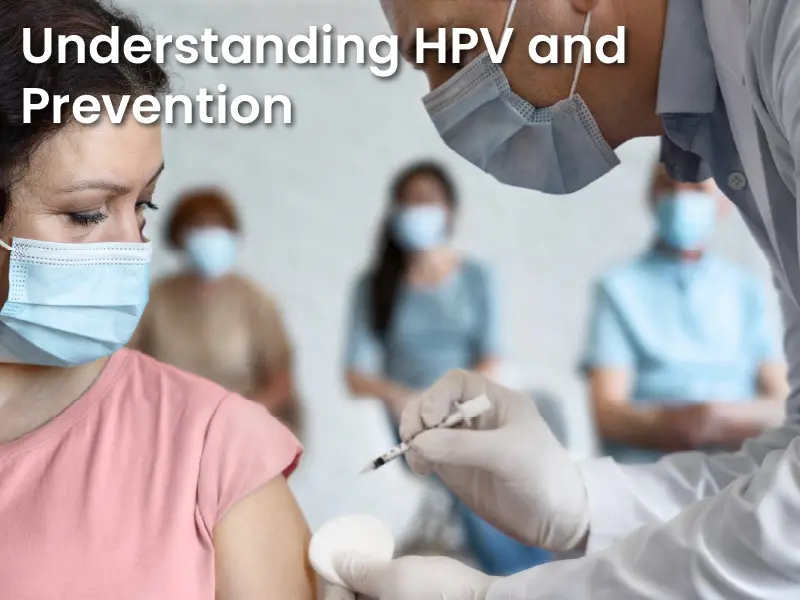
HPV vaccination provides protection against several HPV types responsible for most cervical cancers and many other HPV related conditions. Vaccination is most effective before exposure to the virus, although some older individuals may also benefit. Eligibility and recommended schedules vary, making professional guidance important when considering vaccination.
Using Condoms to Reduce Transmission
Condoms and other barrier methods can reduce the risk of HPV transmission during sexual activity. However, they cannot provide complete protection because HPV may affect skin not covered by the barrier. Combining safer sexual practices with vaccination and recommended screening offers a more comprehensive approach to prevention.
Following Recommended Cervical Screening
Cervical screening helps identify high-risk HPV infections or abnormal cervical cells, depending on the screening programme. Detecting changes early can prevent some cervical cancers through appropriate follow-up and treatment. Vaccinated individuals should still follow recommended screening schedules because vaccination does not protect against every cancer-causing HPV type.
Supporting the Immune System Naturally
The immune system clears most HPV infections without specific treatment, often within one or two years. Maintaining balanced nutrition, sufficient sleep, regular physical activity, and avoiding smoking supports general immune health. However, lifestyle habits cannot guarantee HPV clearance or replace vaccination, screening, and appropriate medical care when necessary.
Understanding HPV Treatment Options
There is currently no treatment that directly eliminates HPV itself, but healthcare professionals can manage conditions caused by infection. Genital warts may be treated with prescribed medicines or procedures, while abnormal cervical cells may require monitoring or treatment. Appropriate care depends on the specific condition and individual circumstances.
Seeking Professional Sexual Health Advice
Anyone concerned about HPV exposure, genital warts, abnormal screening results, or vaccination eligibility should consult a qualified healthcare professional. Medical guidance can clarify individual risks and recommend appropriate prevention or treatment. Always consult a medical professional before following health advice or starting a new health plan.
Conclusion
Understanding HPV and prevention is an important part of maintaining sexual and reproductive health.
HPV is extremely common, and most infections resolve without causing serious complications. However, persistent infections involving certain high-risk types can increase the risk of cervical cancer and other HPV-related cancers.