






Contraception and Sexual Health
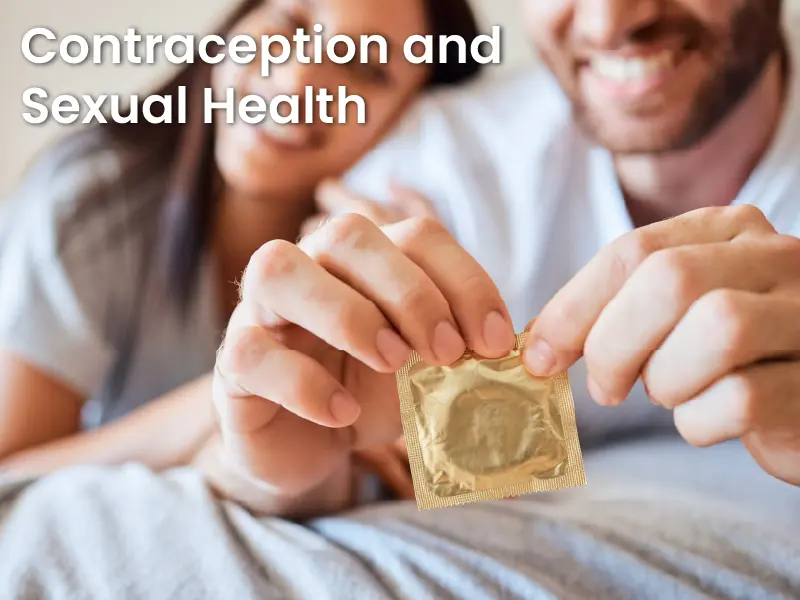
Contraception plays an important role in sexual and reproductive health. It allows individuals and couples to make informed decisions about pregnancy prevention, family planning, and their personal well-being.
Understanding Different Contraceptive Methods
Contraception includes various methods designed to prevent unintended pregnancy. Options include condoms, contraceptive pills, implants, injections, intrauterine devices, and permanent procedures. Each method has different benefits, limitations, and effectiveness levels. Understanding these differences helps individuals make informed decisions based on their health, lifestyle, reproductive goals, and personal preferences.
Using Condoms for Sexual Protection
Condoms provide contraception while also reducing the risk of many sexually transmitted infections. External and internal condoms create a physical barrier that helps prevent sperm from reaching an egg. Correct and consistent use is important for effectiveness. Condoms can also provide additional protection when combined with other contraceptive methods.
Understanding Hormonal Contraception
Hormonal contraceptives include pills, patches, vaginal rings, injections, implants, and certain intrauterine systems. They prevent pregnancy through mechanisms such as suppressing ovulation or thickening cervical mucus. Possible side effects and suitability vary between individuals. A healthcare professional can explain available options and help identify an appropriate method.
Exploring Long-Acting Reversible Contraception
Long-acting reversible contraceptives include implants and intrauterine devices that provide pregnancy prevention for several years. These methods are highly effective because they do not require daily action. They can be removed when pregnancy is desired, although the return of fertility may vary depending on the specific method used.
Recognising Emergency Contraception Options
Emergency contraception can help prevent pregnancy after unprotected sex or contraceptive failure. Options include emergency contraceptive pills and copper intrauterine devices. Effectiveness depends on the method and how quickly it is used. Emergency contraception does not end an established pregnancy and should not replace a suitable regular contraceptive method.
Preventing Sexually Transmitted Infections
Most contraceptive methods prevent pregnancy but do not protect against sexually transmitted infections. Condoms can reduce transmission risks, while vaccination, regular testing, and open communication provide additional protection. Understanding the difference between pregnancy prevention and infection prevention helps individuals make safer decisions and maintain better sexual health.
Considering Contraceptive Side Effects
Different contraceptive methods may cause side effects such as changes in menstrual bleeding, headaches, breast tenderness, or mood symptoms. Some effects improve over time, while others require medical review. Discussing personal health conditions and medication use with a healthcare professional can help identify suitable options and manage potential concerns.
Communicating with Sexual Partners
Open discussions about contraception can help partners understand expectations, responsibilities, and reproductive intentions. Conversations should include pregnancy prevention, sexually transmitted infection protection, and individual comfort. Respecting boundaries and making decisions without pressure supports healthy relationships. Contraceptive choices should always reflect informed consent and personal reproductive autonomy.
Choosing Contraception for Different Life Stages
Contraceptive needs may change with age, relationships, health conditions, and future pregnancy plans. A method suitable during one stage of life may become less appropriate later. Regularly reviewing contraception with a healthcare professional can help ensure continued effectiveness, comfort, and suitability as personal circumstances and reproductive goals evolve.
Seeking Professional Sexual Health Advice
Choosing contraception involves considering effectiveness, medical history, convenience, potential side effects, and protection against sexually transmitted infections. A doctor, pharmacist, or sexual health professional can provide personalised guidance. Always consult a medical professional before following health advice or starting a new health plan, particularly when managing existing medical conditions.
Conclusion
Contraception and sexual health are closely connected because effective pregnancy prevention, STI awareness, and informed reproductive choices contribute to overall wellbeing.
Different contraceptive methods offer different advantages, including convenience, long-term effectiveness, and flexibility. However, not every method provides protection against sexually transmitted infections, making condoms and other preventive measures important considerations.