




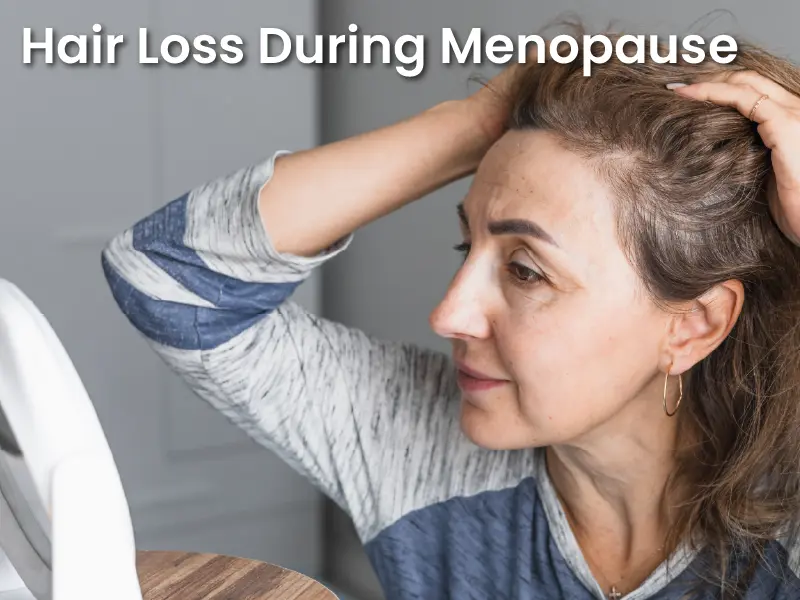
Hair Loss During Menopause
Menopause is a natural stage of life that involves changes in reproductive hormones and the end of menstrual periods. Although symptoms such as hot flushes, sleep disturbances, and mood changes are commonly discussed, some women also notice changes in their hair.
Understanding Hair Loss During Menopause
Hair thinning can become more noticeable during menopause as hormonal changes influence the hair growth cycle. Declining oestrogen levels may contribute to changes in hair density and texture. However, genetics, ageing, nutritional deficiencies, and medical conditions can also play important roles in hair loss during this stage of life.
Recognising Common Hair Thinning Patterns
Menopausal hair loss often appears as gradual thinning across the top of the scalp or a widening parting. Some women notice reduced hair volume rather than complete bald patches. Recognising these patterns can help identify potential concerns early and encourage appropriate assessment before thinning becomes more noticeable.
Understanding Hormonal Changes
Oestrogen levels decline during menopause, potentially influencing hair growth and the duration of its growth phase. Changes in the balance between oestrogen and androgens may also contribute to thinning in genetically susceptible individuals. Hormonal changes are complex, so professional assessment is important when hair loss becomes persistent or concerning.
Considering Genetic Hair Loss
Female pattern hair loss can become more noticeable around menopause, particularly in women with an inherited susceptibility. Hair follicles gradually produce finer strands, reducing overall density. Although hormonal changes may contribute, genetics remains an important factor. Early diagnosis can help identify suitable treatments and establish realistic expectations for improvement.
Maintaining Adequate Protein Intake
Hair is primarily made from keratin, a protein that requires sufficient dietary nutrients for normal production. Including eggs, fish, poultry, dairy products, beans, and tofu can support daily protein requirements. Balanced nutrition is important during menopause, although increasing protein beyond individual needs does not automatically reverse hormonal hair thinning.
Checking Iron and Nutritional Levels
Iron deficiency, inadequate nutrition, and certain vitamin or mineral deficiencies may contribute to hair shedding. A healthcare professional can recommend appropriate testing when symptoms suggest a possible deficiency. Supplements should generally be used when medically indicated, as excessive intake of certain nutrients can cause harm or contribute to further hair problems.
Managing Stress and Sleep Changes
Menopause can involve sleep disturbances, emotional changes, and increased stress, which may affect overall wellbeing. Significant stress can sometimes contribute to temporary hair shedding. Maintaining regular sleeping habits, practising relaxation techniques, and seeking support when needed may improve general health while helping manage additional factors affecting hair condition.
Choosing Gentle Hair Care Practices
Thinning hair may be more vulnerable to visible damage from harsh styling techniques. Avoiding excessive heat, tight hairstyles, and aggressive brushing can help minimise breakage. Gentle cleansing and suitable conditioning products may improve hair manageability and appearance, although cosmetic hair care cannot directly reverse genetically influenced follicle miniaturisation.
Exploring Suitable Hair Loss Treatments
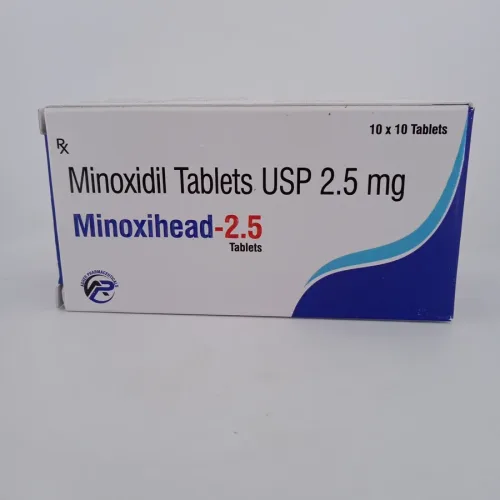
Topical minoxidil is an established treatment option for female pattern hair loss and may help improve hair density with consistent use. Other treatments may be considered depending on individual circumstances. A dermatologist can explain expected results, possible side effects, and whether treatment is appropriate during or after menopause.
Seeking Professional Assessment Early
Persistent hair thinning should not automatically be attributed to menopause. Thyroid disorders, nutritional deficiencies, medications, and scalp conditions can also cause hair loss. A healthcare professional can investigate possible causes and recommend suitable management. Always consult a medical professional before following health advice, taking supplements, or starting a new treatment plan.
Conclusion
Hair loss during menopause can develop because of hormonal changes, ageing, genetic susceptibility, and other health factors. While some women experience mild changes in hair texture or density, others may notice progressive thinning or increased shedding.