






Medication and Sexual Health

Medicines can improve health, manage symptoms, and support quality of life, but some may also affect sexual wellbeing. Changes in sexual desire, arousal, erections, lubrication, ejaculation, or orgasm can sometimes occur after starting or changing medication.
Understanding Medication Side Effects
Some medicines can affect sexual health as an unwanted side effect. Changes may involve sexual desire, arousal, erections, lubrication, sensation, or orgasm. These effects vary between individuals and medicines. Reading patient information and discussing unexpected changes with a healthcare professional can help identify whether medication may be contributing.
Antidepressants and Sexual Function
Certain antidepressants can affect sexual desire, arousal, and the ability to reach orgasm. The likelihood and severity depend on the medicine and individual response. These effects should be discussed with a doctor, who can assess treatment needs and consider appropriate adjustments without unnecessarily interrupting mental health treatment.
Blood Pressure Medicines and Sexual Health
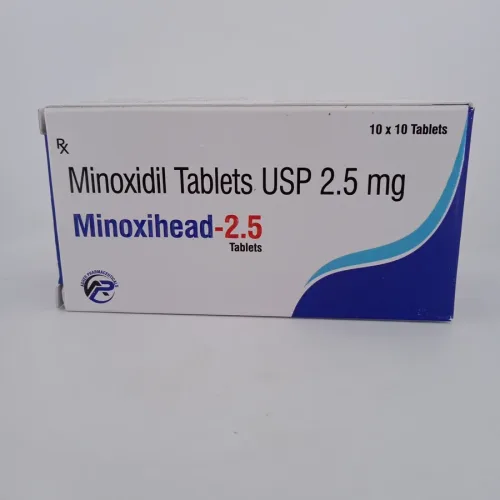
Some medicines used to manage high blood pressure may contribute to sexual difficulties, including erectile problems or reduced desire. However, cardiovascular conditions themselves can also affect sexual function. A healthcare professional can review symptoms, medications, and general health to determine the most appropriate approach without compromising cardiovascular treatment.
Hormonal Medicines and Sexual Desire
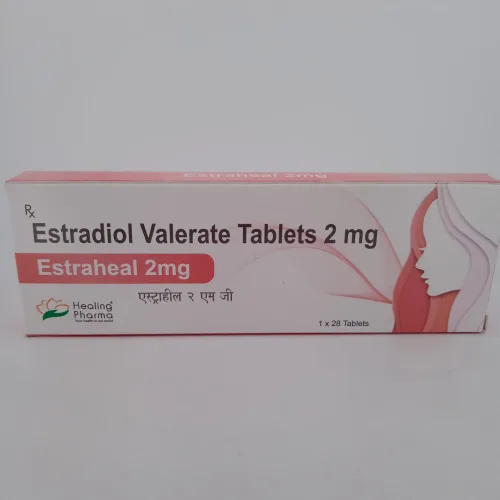
Medicines that influence hormone levels may affect libido, arousal, or other aspects of sexual wellbeing. Effects can differ considerably depending on the treatment and individual. If noticeable sexual changes develop after starting hormonal medication, discussing them with a qualified healthcare professional can help clarify possible causes and available options.
Pain Medicines and Sexual Function
Some pain medicines, particularly when used regularly or for long periods, may influence hormone levels, energy, or sexual function. Chronic pain itself can also reduce interest in intimacy. A doctor can review both the underlying condition and medication to identify practical ways to support overall wellbeing.
Talking Openly with Your Doctor
Sexual side effects can feel difficult to discuss, but healthcare professionals regularly address these concerns. Explaining when symptoms started and how they affect daily life can help identify possible causes. Open communication allows your doctor to consider medication effects alongside physical, emotional, and relationship factors that may be contributing.
Avoiding Sudden Medication Changes
Stopping or reducing prescribed medication without medical guidance can create health risks or withdrawal effects. If you suspect a medicine is affecting sexual function, speak with your doctor or pharmacist first. They may review the dosage, timing, alternative treatments, or other possible causes before recommending any appropriate changes.
Considering Multiple Possible Causes
Medication is only one possible explanation for sexual difficulties. Stress, relationship concerns, hormonal changes, cardiovascular health, diabetes, fatigue, and other conditions may also contribute. A proper assessment helps distinguish between possible causes and reduces the risk of incorrectly blaming an important medicine for symptoms caused by another factor.
Monitoring Changes After New Medication
Pay attention to sexual health changes after beginning a new medicine or changing the dosage. Keeping simple notes about when symptoms began can provide useful information during a medical review. This may help a healthcare professional determine whether medication, health changes, or other circumstances are likely to be involved.
Seeking Professional Medical Advice
Persistent sexual difficulties should be discussed with a qualified healthcare professional, particularly when they begin after a medication change or significantly affect wellbeing. Professional assessment can identify possible causes and suitable options. Always consult a medical professional before following health advice, changing medication, or starting a new treatment plan.
Conclusion
Medication and sexual health can be closely connected because some medicines may influence desire, arousal, erections, ejaculation, lubrication, or orgasm. However, sexual changes can have several possible causes, and individual responses to medicines vary.
Do not stop or alter prescribed medication without professional guidance. Discussing sexual side effects openly with a doctor or pharmacist can help identify possible causes and determine whether a safer or more suitable approach is available.
Consult a medical professional before following any health advice or starting a new health plan.